Search Hudson Valley commercial property for sale with local experts, TKG Real Estate
Hudson, NY Housing Market Trends
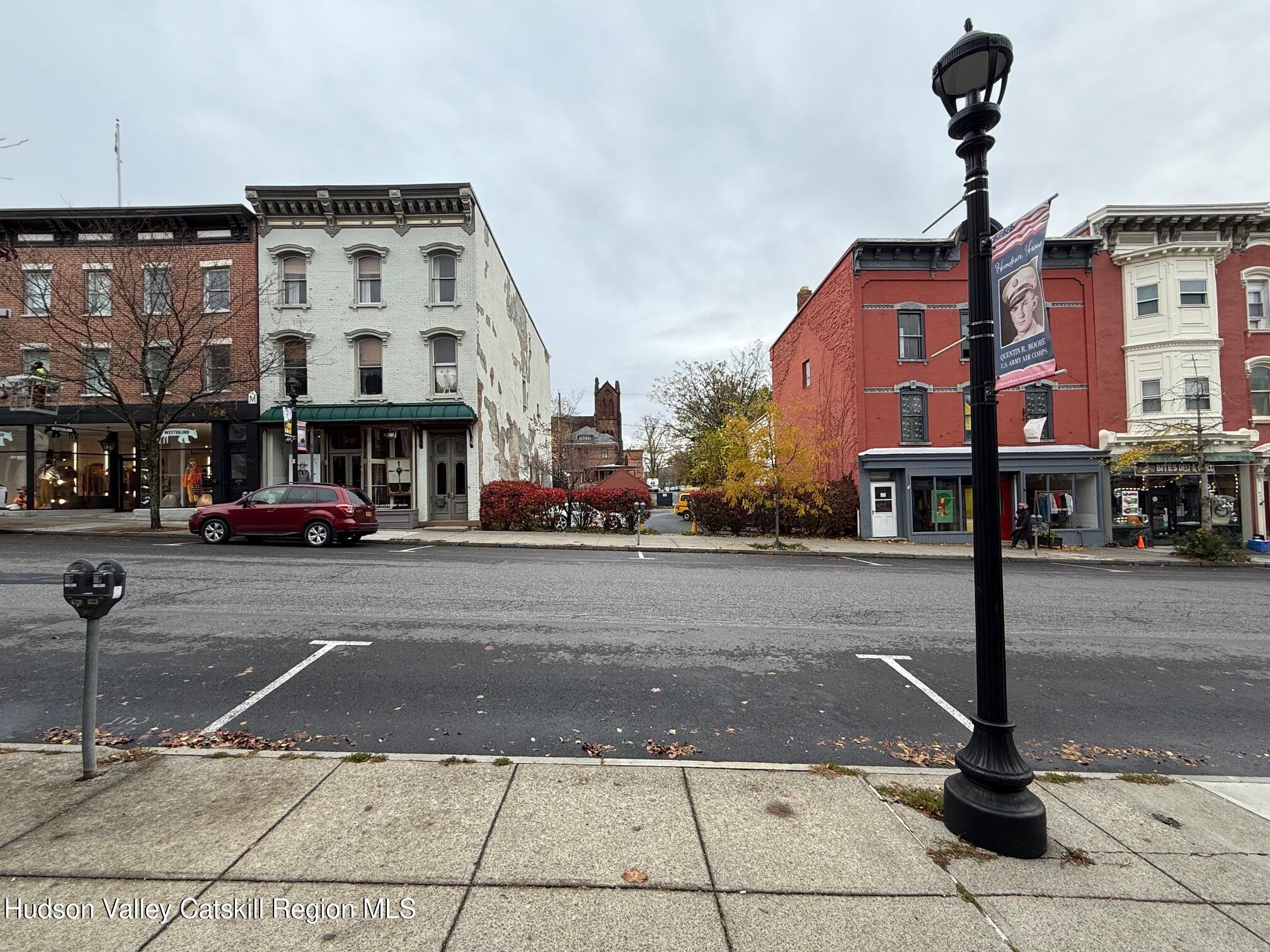
Unlike many regional Upstate commercial hubs—or auto-dependent strip-mall corridors across the Sunbelt—Hudson’s commercial core is built on an ultra-walkable, historic grid centered around Warren Street. Because Hudson features one of the busiest Amtrak stops in the New York State rail network, commercial space here benefits from direct, car-free transit access to Penn Station. This creates a steady, year-round influx of high-net-worth NYC weekenders, remote workers, and affluent transplants. Commercial tenants in Hudson (such as high-end dining, art galleries, boutique fashion, and design showrooms) do not rely solely on small-town local income; they capture Manhattan-level spending power within a dense, multi-block footprint. For commercial landlords, this translates into strong lease rates per square foot and lower tenant default rates compared to isolated rural markets.
In modern suburban or expanding Sunbelt commercial markets, new shopping centers and strip malls can be built just miles down the road, creating immediate competition and diluting property values. Hudson, by contrast, possesses a finite commercial ecosystem. The city’s commercial life is concentrated within a mile-long historic street grid lined with mid-1800s brick storefronts, Federal-style row houses, and historic industrial spaces. Strict local historic preservation guidelines and limited physical space prevent developers from flooding the market with new big-box retail or competing commercial strip centers. When you purchase a commercial or mixed-use building on or near Warren Street, you are buying into a supply-constrained asset class where consumer foot traffic naturally funneling through the core district keeps property values resilient.
A significant portion of commercial real estate in Hudson consists of historic multi-story, mixed-use assets. Unlike single-purpose commercial office parks or single-tenant retail pads in larger cities—which face significant structural vacancy risks when market trends shift—Hudson’s building footprint naturally supports diversified revenue streams. Investors can operate or lease ground-floor commercial space (retail, hospitality, studio, or gallery) to capture high weekend foot traffic, while utilizing the upper floors as premium residential apartments or boutique guest suites. This dual-layer structure hedges your debt service: the residential income acts as a stable financial baseline, while the commercial lease captures the upside of Hudson’s ongoing economic prominence in the Hudson Valley.
Acquiring commercial real estate in Hudson, New York, involves navigating a unique set of historic, municipal, and economic factors. Hudson operates as a highly specific micro-market—a dense, historic, and walkable urban grid set within a rural river valley.
Commercial zoning in Hudson is highly hyper-local, creating distinct operational rules depending on exact building placement. While the Central Business District (CC) along Warren Street supports ground-floor retail, restaurants, and galleries by right, transitioning just one block north or south into Residential-Commercial (R-C) or residential zones changes the framework. Commercial properties operating on side streets like Union, Allen, or Cherry Alley often rely on non-conforming use grandfathering or require specific Planning Board approvals for change-of-use permits. If you plan to introduce a high-traffic hospitality concept, event venue, or retail boutique off the main Warren Street corridor, verifying the exact zoning classification and neighborhood-specific conditional use permits during your due diligence is essential to avoid lengthy municipal hurdles.
Preserving Hudson's historic aesthetic is central to its economic draw, meaning commercial storefronts are subject to strict exterior design oversight. The Hudson Historic Preservation Commission (HPC) reviews and must issue a Certificate of Appropriateness (COA) for virtually any street-visible alteration. This applies to exterior lighting, window displays, awning installations, repainting, and, most importantly, commercial signage. Modern corporate branding, internally illuminated signs, and vinyl window wraps are generally prohibited. When budgeting for tenant build-outs or building rebrands, commercial buyers must factor in the timeline and material costs necessary to meet historic preservation standards.
Operating a retail, dining, or manufacturing business within Hudson’s dense historic grid presents real-world logistical challenges. Hudson’s streets and rear service access points—primarily its narrow historic alleys like Cherry Alley and Prison Alley—were not designed for modern 53-foot commercial delivery trucks. Furthermore, the city strictly regulates commercial trash storage, dumpsters, and sidewalk placement to maintain walkability. Evaluating a commercial asset requires inspecting the rear loading capabilities, confirming private trash pickup easements, and ensuring that your tenant's delivery vehicles can physically access the site without blocking public rights-of-way or triggering city code violations.
A vast majority of Hudson’s premier commercial buildings date back to the 19th or early 20th century. Converted Federal, Greek Revival, or historic industrial spaces often feature narrow entryways, multi-step thresholds, historic staircases, and outdated floor layouts. Converting or renovating these spaces to house modern commercial tenants—particularly food service, beverage, or public gathering concepts—triggers strict New York State Building Code and ADA (Americans with Disabilities Act) compliance requirements. Retrofitting historic timber and brick structures with compliant ramps, accessible restrooms, proper fire suppression systems, and double-egress stairwells can require significant capital expenditure. Uncovering these structural requirements early ensures your construction budget remains protected.
Commercial revenue in Hudson follows a distinct geographic flow tied directly to visitor patterns. Unlike traditional suburban retail markets driven by steady Monday-through-Friday drive-by traffic, Hudson’s commercial pulse peaks around Amtrak’s weekend train schedule and seasonal tourism windows. Foot traffic concentration is highest near the lower blocks of Warren Street near the train station and diffuses moving up towards 7th Street. Understanding this micro-foot-traffic gradient is crucial when setting lease terms or projecting tenant sales volume; a retail or dining space’s revenue strategy must be underwritten to capture high weekend spending density while sustaining baseline operational costs through quieter mid-week periods.
Many commercial assets in Hudson are multi-story, mixed-use buildings featuring ground-floor retail or dining spaces with residential apartments on the upper levels. Valuing these assets requires evaluating both commercial and residential lease environments. Additionally, Columbia County and the City of Hudson often reassess property values following a sale, particularly when significant commercial capital improvements are made. A commercial property that currently carries low historical real estate taxes may see a significant tax increase post-sale. Structuring commercial leases (such as Triple Net / NNN leases where tenants absorb tax increases) and accurately modeling the post-acquisition tax assessment are essential steps to securing predictable Net Operating Income (NOI).
Navigating commercial zoning, historic compliance, and property underwriting in Hudson requires hyper-local expertise.
If you need further information, want a customized market analysis on a commercial asset, or are ready to schedule a private showing, contact us today to get started.

Hudson may be small, but its character runs deep—from the gallery-lined blocks of Warren Street to the quiet residential pockets where 19th-century rowhouses meet riverfront views. Whether you're drawn to the city's thriving arts scene, its celebrated restaurants, or the easy access to the wider Hudson Valley, knowing each neighborhood is the first step to finding where you belong. Explore our Hudson, NY neighborhood guide to discover what makes each corner of this historic river city distinct, and start picturing your life here.