Search Hudson Valley multi-family homes for sale with local experts, TKG Real Estate
Hudson, NY Housing Market Trends
Unlike the vast majority of small cities across upstate New York or the broader Rust Belt that rely strictly on highway connectivity, Hudson features one of the busiest Amtrak rail corridors in the Northeast, providing a direct two-hour link into New York City’s Penn Station. This transit line transforms Hudson into a top-tier enclave for high-earning remote workers, creatives, and weekend commuters leaving Manhattan or Brooklyn. For a multi-family investor or owner-occupant ("house hacker"), this demographic shift creates a tenant pool with significantly higher income baselines than typical small-town markets. You are not competing solely for local wages; you are capturing New York City-level rental budgets, allowing multi-family owners to command strong market rents while maintaining lower vacancy risks than isolated rural or purely local markets.
Unlike traditional multi-family properties in standard suburban neighborhoods—which are strictly locked into 12-month residential leases—a multi-family property in Hudson offers dynamic revenue flexibility. As a premier weekend destination renowned for its vibrant arts scene, antique district, and farm-to-table culinary hub, Hudson supports a thriving seasonal hospitality market. Multi-unit owners can employ a hybrid business model: leasing one unit on a long-term contract to stabilize baseline cash flow and cover debt service, while utilizing another unit as a high-ADR (average daily rate) weekend rental or short-term boutique stay for tourists. This dual-stream optionality provides a powerful hedge against localized economic swings that single-economy college towns or purely residential suburban markets simply cannot offer.
In many growing multi-family markets across the Sunbelt or Midwest, rapid real estate expansion leads to land availability and overbuilding, which can suppress rent growth over time. Hudson, by contrast, is a dense, geographically compact, and highly walkable historic grid centered on Warren Street. Strict historic preservation guidelines, historic architectural stock, and limited buildable land severely restrict new multi-family inventory from being developed. Purchasing a multi-unit historic brick or row house in Hudson’s core locks you into an irreplaceable, supply-constrained asset. The extreme walkability of the downtown core—where tenants can walk to train access, dining, and shops without needing a car—drives high long-term tenant retention and guards your equity against the risk of suburban oversupply.
Evaluating multi-family real estate in Hudson, New York, requires looking beyond standard cap rates and cash-flow formulas. Hudson is an architectural, cultural, and geographic micro-market with its own specific legal parameters, infrastructure quirks, and tenant behaviors.
Many investors buy multi-family homes in upstate New York assuming they can list all units on platforms like Airbnb or VRBO to maximize nightly rates. In Hudson, Local Law No. 7 strictly regulates Short-Term Rentals (STRs). Under city code, new STR operations are strictly restricted to primary residences where the owner lives on-site for at least 50 days per year, and non-owner-occupied STRs are prohibited. Furthermore, primary residents face limits on how many days a year a unit can be rented. If your investment strategy relies on converting multiple units into full-time, passive vacation rentals without living on the property, the deal will run into municipal enforcement. Evaluating a property requires modeling it around compliant strategies—such as house hacking (living in one unit and short-term renting another) or focusing on long-term residential leases.
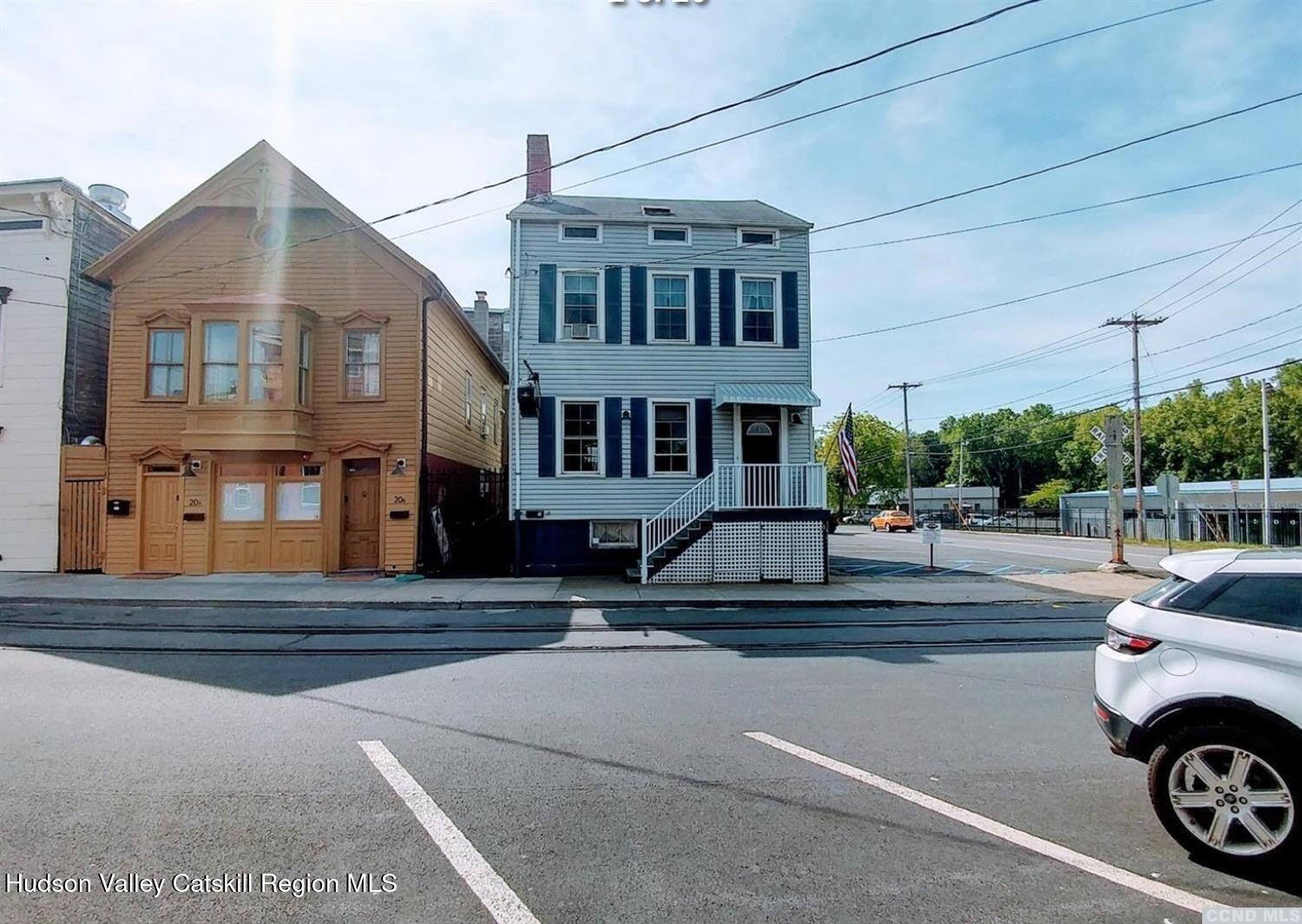
Hudson’s historic charm—its 19th-century brick row houses, Federal-style duplexes, and Victorian multi-families—is a main driver of real estate values. However, most multi-family inventory within the city grid falls under the jurisdiction of Hudson’s Historic Preservation Commission. The HPC oversees exterior alterations, including window replacements, facade repointing, porch rebuilds, and structural additions, requiring a Certificate of Appropriateness before building permits are issued. While interior renovations on multi-family units are generally un-monitored, exterior maintenance requires specialized labor, historically accurate materials, and longer approval timelines. When budgeting capital expenditures for an older multi-family property, factoring in these preservation compliance costs is essential to maintaining profitability.
In Hudson, tenant demand and premium rental rates are linked to walkability to the Hudson Amtrak station (at the foot of Warren Street) and the surrounding dining district. Because many tenants in multi-family units are hybrid NYC commuters or non-car owners, rent potential varies significantly block by block. A multi-family house located below 5th Street within a 10-minute walk to the train platform often commands a rent premium and experiences lower vacancy rates compared to properties on the eastern periphery of the city or in neighboring Greenport. Analyzing the hyper-local geography and true walking distance to Amtrak is critical when underwriting projected rental income for each unit.
A large portion of Hudson's multi-family inventory consists of converted single-family homes or historic structures built before modern utility standards. A common pitfall when acquiring a 2-to-4-unit property here is encountering single-metered gas, electric, or heating systems (such as a single central boiler serving the entire building). If the utilities are shared, the landlord must absorb the unpredictable energy costs of heating an older, high-ceilinged historic building through Hudson's cold winters. Retrofitting separate gas lines, electric sub-meters, or ductless mini-split systems into historic plaster and timber structures can cost tens of thousands of dollars. Verifying utility separation during initial due diligence directly impacts your net operating income (NOI).
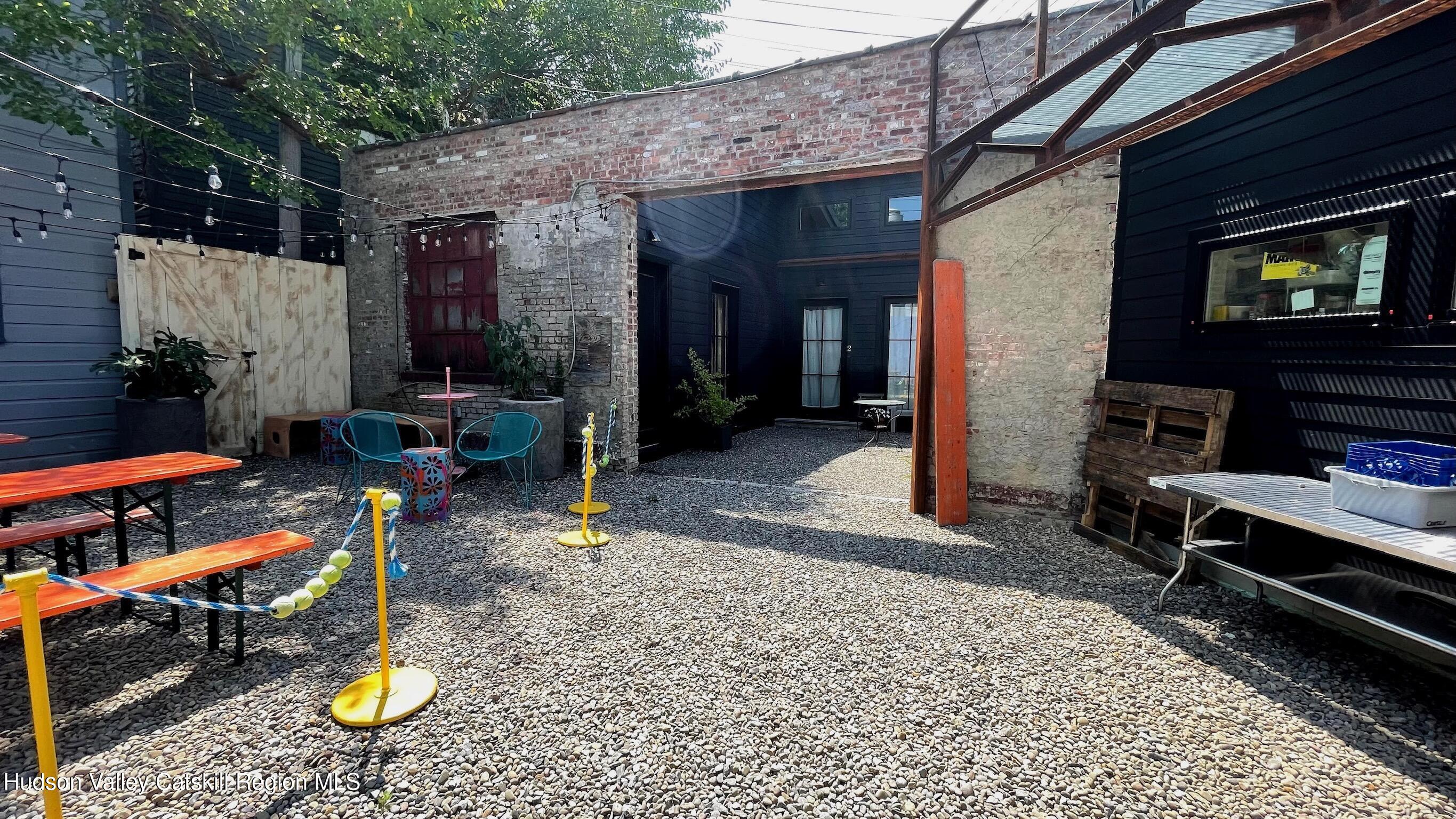
Hudson is built on a tight, historic urban grid where off-street parking is scarce. Multi-family properties with dedicated off-street parking—such as a rear gravel pad, side driveway, or alley access via Cherry Alley or Union Street—hold a significant competitive advantage in the rental market. In winter, the City of Hudson strictly enforces alternate-side street parking and alternate-side parking rules during declared snow emergencies, issuing heavy fines and towing non-compliant vehicles. Multi-family properties that offer tenants designated, off-street parking spots command higher monthly rents, attract long-term NYC-transplant tenants, and experience significantly lower turnover.
Property taxes in the City of Hudson can differ markedly from surrounding rural towns in Columbia County due to municipal services, city school district taxes, and local infrastructure maintenance. When a historic multi-family home is purchased and renovated, the local tax assessor often reassesses the property based on the recent purchase price and capital improvements. Underwriting a deal solely using the seller's historical tax bill can lead to budget shortfalls. A proper financial evaluation requires forecasting the post-sale tax reassessment to ensure the property's gross rental yield comfortably covers the revised property tax burden.
Navigating historic district guidelines, municipal regulations, and hyper-local rental metrics requires local market expertise.
If you need further information, want a tailored cash-flow analysis on a specific Hudson property, or are ready to schedule a private showing, contact us today to get started.

Hudson may be small, but its character runs deep—from the gallery-lined blocks of Warren Street to the quiet residential pockets where 19th-century rowhouses meet riverfront views. Whether you're drawn to the city's thriving arts scene, its celebrated restaurants, or the easy access to the wider Hudson Valley, knowing each neighborhood is the first step to finding where you belong. Explore our Hudson, NY neighborhood guide to discover what makes each corner of this historic river city distinct, and start picturing your life here.