Search Hudson, NY townhomes for sale with local experts, TKG Real Estate
Hudson, NY Housing Market Trends
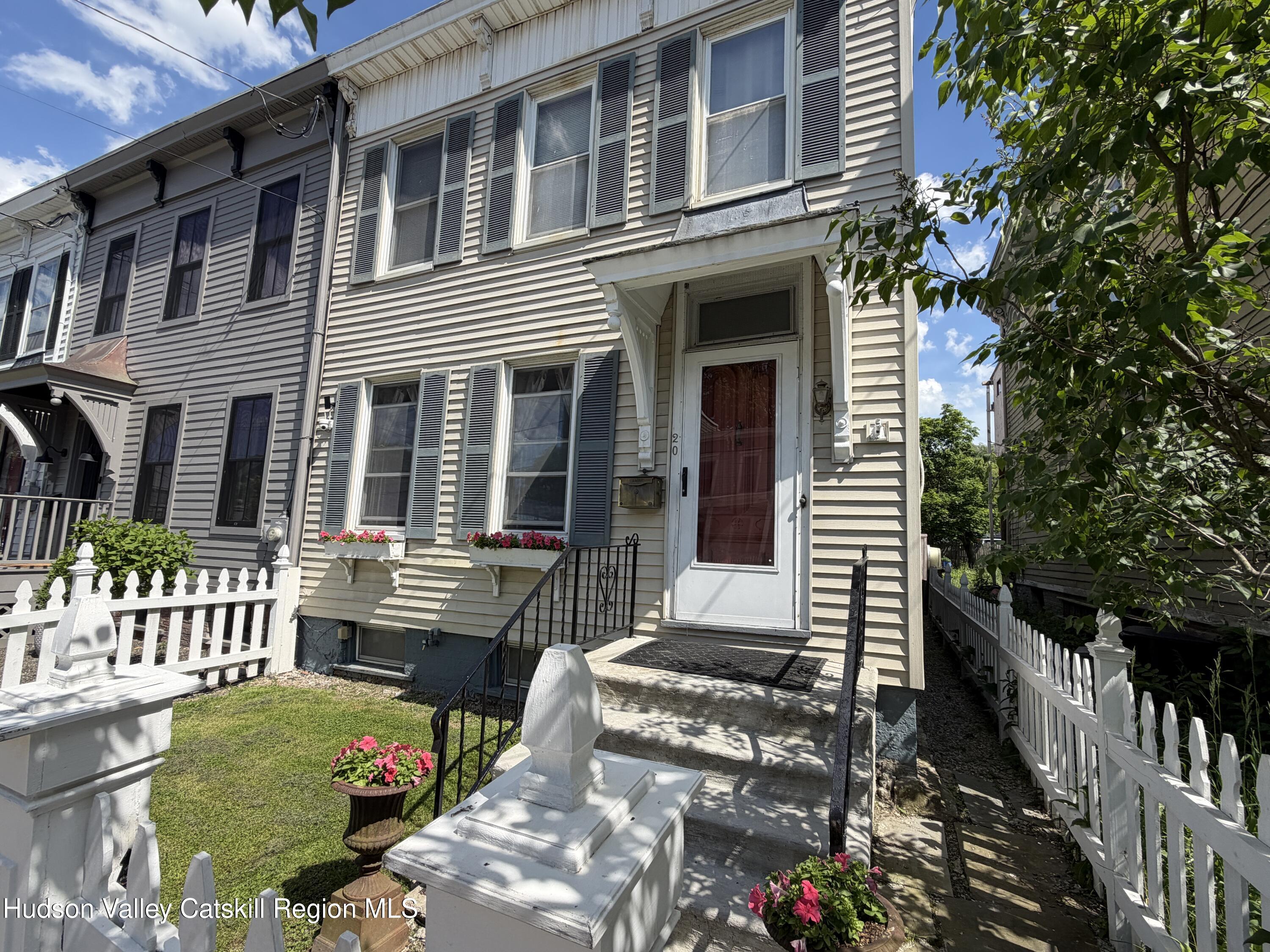
Unlike standard American townhouse markets—where properties are often uniform brownstones or modern, repetitive row houses—Hudson features a structurally distinct architectural lexicon born from its unique history. Founded in 1785 by New England whalers and merchants known as "The Proprietors," the city's early elite brought coastal Massachusetts craftsmanship directly to the Hudson Valley. Buying a townhouse here means owning rare, remarkably preserved examples of late-18th-century Federal style, ornate Greek Revival, and high-style Italianate brick row houses concentrated within a compact 45-block grid. While markets like Brooklyn or Boston feature beautiful historic homes, they lack the specific, maritime-influenced New England vernacular transplanted into a riverside valley setting. Because these townhouses are bound by strict local historic preservation rules, their architectural authenticity is protected as a finite, appreciating asset that simply cannot be manufactured elsewhere.
In most premier townhome markets across the country, buying an urban property means sacrificing immediate access to raw nature, while buying a rural property forces you into a car-dependent suburban lifestyle. Hudson completely shatters this compromise. A townhouse in downtown Hudson allows you to step off your front stoop and immediately walk to over 50 world-class art and antique galleries, design studios, and highly rated restaurants along Warren Street. Yet, the moment you look out your back window or walk down to Promenade Hill Park, you are greeted by sweeping views of the Hudson River and the Catskill Mountains. It offers a rare "micro-urban" lifestyle—the sophisticated density and culinary culture of a Manhattan neighborhood paired seamlessly with the fresh air, farm-to-table supply chains, and outdoor recreation of upstate New York. It is a dual lifestyle that master-planned luxury communities or isolated mountain towns cannot provide.
Traditional luxury townhouses in major metropolitan areas are heavily restricted by rigid residential zoning laws and strict condominium or homeowners association (HOA) rules. Hudson’s historic core offers an incredibly rare alternative: flexible, mixed-use commercial and residential zoning fluidity. Because many of Hudson's grand townhouses were originally built by 19th-century merchants who lived above their storefronts or offices, these properties naturally accommodate live-work setups. A townhouse here gives you the unique autonomy to operate a private gallery, design studio, or artisanal workspace on the ground floor while maintaining a sprawling, multi-level luxury residence above. Additionally, because these deep urban parcels often feature rear alley access, they frequently include historic carriage houses that can be adapted into detached guest quarters or creative studios—providing a level of structural flexibility and personal freedom unheard of in traditional luxury enclaves.
Acquiring a luxury townhouse in the historic city center of Hudson, NY, presents a highly specific set of considerations that you will not encounter in master-planned developments, New York City neighborhoods, or traditional suburban real estate. Hudson's 18th-century grid layout, unique maritime-merchant history, and localized zoning create distinct variables that every luxury buyer must navigate.
Many of Hudson’s finest townhouses are grand Federal or Greek Revival brick row houses built over 150 to 200 years ago. Because these properties are structurally attached, they share masonry firewalls and sit on continuous, historic stone foundations that tie entire blocks together. When evaluating a townhouse here, it is essential to understand how the building has interacted with its neighbors over centuries of shifting ground. Minor sloping in wide-plank floors is a normal, character-rich trait of historic Hudson structures, but a comprehensive structural inspection must analyze whether settling is historical or active. Furthermore, any modern underpinning, basement deepening, or masonry repair requires careful coordination to ensure the structural integrity of the adjacent attached properties is fully protected.
A defining and highly unique feature of Hudson’s urban design is its extensive system of interior alleyways (such as Prison Alley or Market Alley) that run directly behind the townhouses flanking Warren, Union, and Allen streets. For a luxury townhouse buyer, this layout introduces a major competitive variable. Properties that retain their original rear parcel depth often feature direct vehicle access or a historic carriage house opening onto these alleys. Securing a townhouse with active alley access allows you to circumvent the city's tight street parking, build a private garage, or adapt a rear stable into an detached luxury guest suite—assets that dramatically elevate the property's long-term market value and daily utility.
Hudson fiercely protects its historic aesthetic through its local Historic Preservation Commission (HPC). If a luxury townhouse sits within the designated Historic District, any element of the facade visible from the "public way" (the street or sidewalk) falls under strict regulatory oversight. This goes far beyond typical HOA rules. Replacing rotten window sashes, changing front door hardware, repairing iron stoop railings, or altering exterior paint colors requires an official Certificate of Appropriateness (COA). Because the frontages of Hudson townhouses are tightly aligned right against the public sidewalks, there is zero buffer; every exterior modification is subject to scrutiny, meaning you must factor historic compliance into your timeline and budget from day one.
The traditional floor plates of Hudson townhouses reflect the lifestyles of 19th-century merchants, meaning they are inherently vertical—frequently spanning three to four levels with high ceilings on the lower floors and shorter "servants' quarters" configurations on the top level. When purchasing a luxury townhouse, you must evaluate how this verticality fits your lifestyle. Unlike modern townhomes with open-concept main levels, historic Hudson row houses often feature distinct, formal double-parlors separated by original pocket doors. Luxury buyers must look at how previous renovations have balanced preserving these iconic layouts with creating functional, open spaces for high-end kitchens and primary en-suite bathrooms without destroying the home's historic proportions.
A central focal point of Hudson luxury townhouses is the abundance of historic fireplaces, often adorned with rare 19th-century marble or hand-carved wood mantels. However, just because a townhouse boasts six or seven fireplaces does not mean they are safe or legal to use. Most original flues consist of unlined unreinforced masonry that has deteriorated over generations. A critical consideration during the buying process is assessing the cost and feasibility of retrofitting these antique chimneys. Safely operating them typically requires lining the flues with stainless steel inserts or converting them into discrete, ventless gas hearths—a highly technical preservation task that requires specialized local craftsmen.
Many historic townhouses located within a block of the Warren Street commercial corridor possess rare, highly flexible mixed-use zoning. Originally built for merchants who conducted business on the street level and lived above, these properties offer immense autonomy for modern luxury buyers. However, this hybrid setup requires careful vetting. You must consider whether you want a property that is purely residential or one that allows you to operate a private gallery, design showroom, or creative studio on your ground floor. Navigating the specific tax implications, insurance requirements, and structural divisions of a mixed-use townhouse is a uniquely Hudson process that can unlock unparalleled lifestyle freedom if handled correctly.
Navigating the intricacies of Hudson's historic townhouse market demands specialized insight, structural expertise, and local connections. Whether you need to decipher historic preservation codes, evaluate masonry foundations, or uncover off-market architectural gems before they hit the general public, our team is equipped to guide you seamlessly through the process.
If you require further detailed market information, want to discuss specific zoning opportunities, or are ready to schedule a private showing of Hudson’s premier townhouses, please contact us today. We look forward to partnering with you.

Hudson may be small, but its character runs deep—from the gallery-lined blocks of Warren Street to the quiet residential pockets where 19th-century rowhouses meet riverfront views. Whether you're drawn to the city's thriving arts scene, its celebrated restaurants, or the easy access to the wider Hudson Valley, knowing each neighborhood is the first step to finding where you belong. Explore our Hudson, NY neighborhood guide to discover what makes each corner of this historic river city distinct, and start picturing your life here.