By TKG Real Estate
Buying a home in the Hudson Valley is one of the most rewarding decisions you can make. Whether you're drawn to a historic Victorian, a stone farmhouse, or a contemporary retreat, you're purchasing property with character, age, and stories baked into every wall. That makes the home inspection process not just a formality but one of the most important steps in your entire transaction.
The Hudson Valley real estate market moves quickly, and it's easy to get swept up in the charm of wide-planked floors and original tin ceilings. But behind that charm is a house with systems that age, foundations that settle, and roofs that weather the Hudson Valley winters.
Understanding what a home inspection covers, what to expect from the process, and how to use the results to your advantage can be the difference between a purchase you feel confident in and one that surprises you the moment you get the keys.
This guide will walk you through the home inspection process from start to finish. From scheduling your inspector to deciding what repairs to request, you'll walk away knowing exactly where you stand.
Key Takeaways
- A home inspection is a visual assessment of a property's condition conducted by a licensed professional before closing.
- Homes in the Hudson Valley often require specialized attention due to their age, construction type, and regional climate.
- You have the opportunity to attend the inspection and ask questions throughout the process.
- Additional specialized inspections, such as for wells, septic systems, and oil tanks, are common in this region and worth the investment.
What a Home Inspection Actually Covers
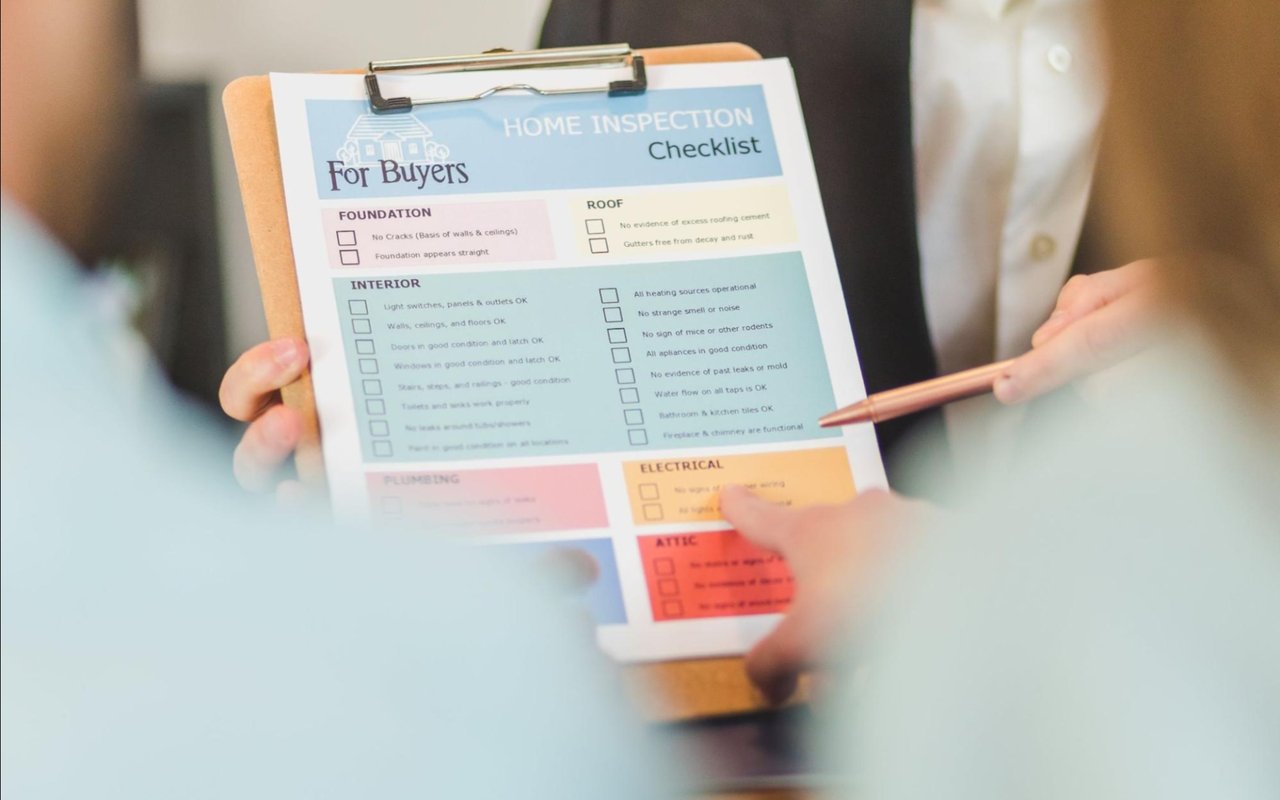
A standard home inspection is a thorough visual assessment of a property's accessible systems and components. It's not a code compliance review, and it's not a guarantee against future problems. It is a trained professional's evaluation of the home's current condition based on what they can see and safely test on the day of inspection.
In the Hudson Valley, where a significant portion of homes are older, that evaluation carries real weight. Older construction often means knob-and-tube wiring, cast iron plumbing, and foundations made from stone or early-poured concrete. These aren't automatic deal-breakers, but they are things a trusted inspector will flag, explain, and put into context for you.
The inspection typically takes two to four hours for a standard single-family home, though larger or more complex properties can run longer. Your inspector will move through the property systematically, assessing each major system and documenting conditions with photographs and written notes in a final report.
In the Hudson Valley, where a significant portion of homes are older, that evaluation carries real weight. Older construction often means knob-and-tube wiring, cast iron plumbing, and foundations made from stone or early-poured concrete. These aren't automatic deal-breakers, but they are things a trusted inspector will flag, explain, and put into context for you.
The inspection typically takes two to four hours for a standard single-family home, though larger or more complex properties can run longer. Your inspector will move through the property systematically, assessing each major system and documenting conditions with photographs and written notes in a final report.
What Inspectors Evaluate
- Roof and gutters, including the condition of shingles, flashing, and drainage systems.
- Foundation and structural components, with attention to cracks, settling, and water intrusion.
- Electrical systems, including the panel, wiring type, outlets, and visible connections.
- Plumbing, including water pressure, supply and drain lines, water heater age and condition, and signs of leaks.
- Heating and cooling systems, including furnaces, boilers, heat pumps, and any central air equipment.
- Insulation and ventilation in attics and crawl spaces, which directly affects energy efficiency and moisture control.
- Windows, doors, and exterior surfaces, including siding, trim, decks, and grading around the foundation.
- Interior spaces, including ceilings, walls, floors, and stairs, with attention to signs of moisture, settlement, or damage.
What To Expect on Inspection Day
Being present for your home inspection is one of the best things you can do as a buyer. This is not a step to skip in favor of receiving the report by email. Walking through the property with your inspector gives you context you simply cannot get from a written document alone.
Arrive at the start of the inspection and plan to stay for the full duration. Your inspector will explain what they're seeing as they move through the property, and you can ask questions in real time.
Come prepared with a notepad or your phone for taking notes and photos. Your inspector will provide a detailed written report, typically within 24 to 48 hours, but your own notes will help you remember the conversation and prioritize the items that stood out most to you.
Arrive at the start of the inspection and plan to stay for the full duration. Your inspector will explain what they're seeing as they move through the property, and you can ask questions in real time.
Come prepared with a notepad or your phone for taking notes and photos. Your inspector will provide a detailed written report, typically within 24 to 48 hours, but your own notes will help you remember the conversation and prioritize the items that stood out most to you.
How To Make the Most of Inspection Day
- Bring a list of questions or concerns you've already noticed about the property.
- Pay close attention to the attic, basement, or crawl space and any outbuildings on the property.
- Ask your inspector to rate or prioritize issues in terms of urgency and cost impact.
- Take note of deferred maintenance items that aren't urgent but should be budgeted for.
- Request clarification on anything in the report that isn't immediately clear to you.
Specialized Inspections Common in the Hudson Valley
The Hudson Valley is predominantly rural and semi-rural, which means many properties operate on well water and septic systems rather than municipal infrastructure. These systems require separate inspections beyond the standard home inspection, and skipping them is a risk you don't want to take.
A well inspection tests water pressure and flow rate and can identify equipment issues with the pump or pressure tank. Equally important is a water quality test, which checks for bacteria, nitrates, and other contaminants. Septic inspections assess the tank, distribution system, and drain field; a failed or aging septic system can cost tens of thousands of dollars to replace. These tests carry fees, but they are among the most worthwhile investments in the inspection process.
In addition to wells and septic systems, older Hudson Valley properties may have underground oil tanks, which can represent serious environmental liability. An oil tank sweep using ground-penetrating radar can identify buried tanks that may not be disclosed. Radon testing is also standard in this region, as the geology makes elevated radon levels relatively common, particularly in basements and lower levels of older homes.
A well inspection tests water pressure and flow rate and can identify equipment issues with the pump or pressure tank. Equally important is a water quality test, which checks for bacteria, nitrates, and other contaminants. Septic inspections assess the tank, distribution system, and drain field; a failed or aging septic system can cost tens of thousands of dollars to replace. These tests carry fees, but they are among the most worthwhile investments in the inspection process.
In addition to wells and septic systems, older Hudson Valley properties may have underground oil tanks, which can represent serious environmental liability. An oil tank sweep using ground-penetrating radar can identify buried tanks that may not be disclosed. Radon testing is also standard in this region, as the geology makes elevated radon levels relatively common, particularly in basements and lower levels of older homes.
Additional Inspections Worth Scheduling
- Well flow and water quality testing, particularly for properties with private wells.
- Septic inspection and, if possible, a load test to assess current function under use conditions.
- Radon testing, especially for homes with basements or crawl spaces.
- Chimney inspection if the property has one or more working fireplaces or a wood-burning stove.
How To Use Inspection Results in Your Negotiation
Receiving a home inspection report with a long list of findings can feel alarming at first. Review the report carefully and separate the findings into categories: items that pose immediate safety or habitability concerns, items that represent significant deferred maintenance or costly repairs, and items that are minor or cosmetic in nature. Our team can help you evaluate what to request versus what to accept, based on the market conditions, the seller's situation, and the overall value of the property.
Requesting credit or repairs for every item in a report can stall or derail a transaction. Focusing on significant structural issues, safety concerns, or systems nearing the end of their useful lifespan gives you a stronger position and a clearer conversation with the seller.
Requesting credit or repairs for every item in a report can stall or derail a transaction. Focusing on significant structural issues, safety concerns, or systems nearing the end of their useful lifespan gives you a stronger position and a clearer conversation with the seller.
How Inspection Findings Can Be Addressed
- Seller-completed repairs before closing, with documentation and receipts provided.
- A price reduction to reflect the cost of necessary repairs that the buyer will complete after closing.
- Closing cost credits in lieu of repairs, which can provide more flexibility in how funds are used.
- Acceptance of the property as-is, particularly for cosmetic or minor maintenance items.
- Contract termination, if inspection findings reveal conditions that exceed your budget or comfort level.
FAQs
How Long Does a Home Inspection Report Last?
A home inspection report reflects the condition of the property at the time of the inspection. It does not have an official expiration date, but conditions can change, particularly in a vacant home or one that has sat on the market for an extended period. If a significant amount of time passes between your inspection and closing, you may want to do a final walkthrough to confirm that nothing has materially changed.
Do New Construction Homes in the Hudson Valley Need Inspections?
Yes. Even newly built homes benefit from an independent home inspection. While new construction is subject to municipal building inspections during the permitting process, those inspections focus on code compliance rather than quality or completeness. An independent inspector evaluating a new home may identify issues with insulation, grading, plumbing connections, or HVAC installation that code inspections miss.
What Happens If a Seller Refuses To Make Repairs?
Sellers are not obligated to make repairs, but you are not obligated to proceed with the purchase on terms you find unacceptable. If a seller declines to address significant findings, your options include negotiating a price reduction or credit, accepting the property in its current condition, or exercising your right to terminate the contract within the inspection contingency period.
Your Next Step Starts Here
The home inspection process exists to protect you, and in a market like the Hudson Valley, where history and charm come packaged with age and complexity, that protection is worth taking seriously. The more informed you are going into an inspection, the better positioned you'll be to make decisions with confidence rather than anxiety.
Every home tells a story, and an inspection helps you understand that story before it becomes yours to write. If you're ready to start your home search in the Hudson Valley or have questions about what to expect as you navigate the buying process, reach out to our team at TKG Real Estate.
Every home tells a story, and an inspection helps you understand that story before it becomes yours to write. If you're ready to start your home search in the Hudson Valley or have questions about what to expect as you navigate the buying process, reach out to our team at TKG Real Estate.