1,594 people live in Chatham, where the median age is 48.6 and the average individual income is $45,675. Data provided by the U.S. Census Bureau.
Total Population
Median Age
Population Density Population Density This is the number of people per square mile in a neighborhood.
Average individual Income

Chatham is one of those rare places that manages to feel both genuinely unpretentious and quietly sophisticated at the same time. Tucked into the northeastern corner of Columbia County, this small village of roughly 1,800 people carries an outsized cultural presence, attracting artists, remote professionals, and weekenders from New York City who have discovered that small-town life doesn't have to mean sacrificing quality. On any given weekend, you'll find someone picking up organic produce at the Real Food Market Co-op, catching a foreign film at the 1926 Crandell Theatre, and then grabbing a craft IPA at Chatham Brewing — all within a few blocks of each other.
What separates Chatham from other Hudson Valley villages is its authenticity. It hasn't been fully curated into a boutique destination. The hardware store still coexists with the artisan cheese shop. The demolition derby at the Columbia County Fair draws the same community as the FilmColumbia festival. That tension — between agrarian grit and high-concept creativity — is exactly what makes Chatham compelling.
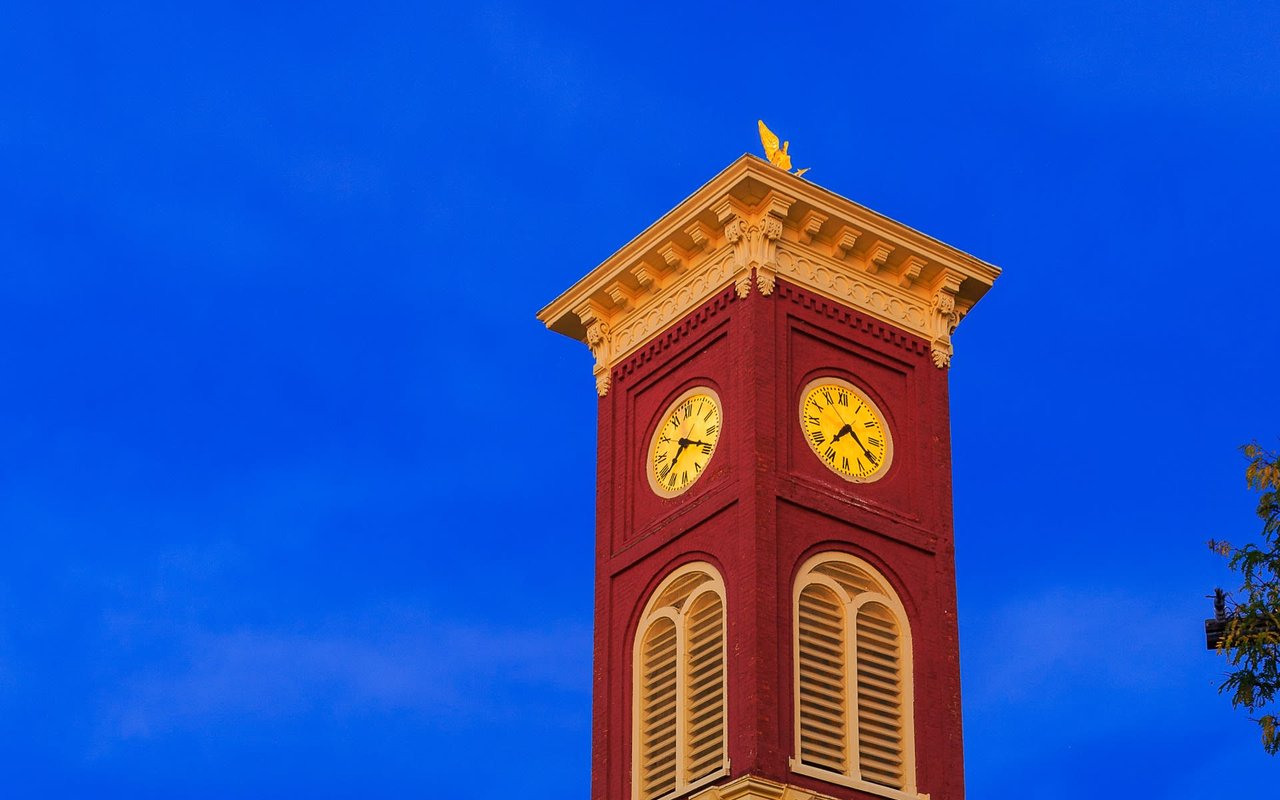
Chatham was originally settled in the mid-18th century by Dutch and English colonists, but it was the railroad that defined its character. By the late 1800s, five different rail lines converged here, turning a modest agricultural settlement into a critical commercial junction for shipping goods across the region. That boom funded the Victorian-era architecture still standing on Main Street today — Queen Anne, Italianate, and Second Empire buildings with ornate brick facades and decorative cornices that have remained largely intact for over a century.
When the railroads declined mid-20th century, Chatham could have faded. Instead, it quietly reinvented itself. Artists and New York City weekenders began arriving in the 1970s and 80s, drawn by the affordable historic properties and the rolling pastoral landscape. The village gradually evolved into a cultural hub without shedding its working-class bones. The 1887 Union Station building — now a bank — still anchors the streetscape as a reminder of where it all started.
Chatham sits in the northeastern corner of Columbia County, functioning as a natural gateway between the Hudson River Valley and the Berkshire Mountains of Massachusetts. The village itself is the commercial and cultural core, surrounded by a broader town that encompasses several distinct hamlets including Old Chatham and Chatham Center, each with its own character.
In terms of proximity, Albany is roughly 25 miles to the northwest (about 30 minutes), Hudson is 15 miles southwest (20 minutes), and New York City is approximately 130 miles south via the Taconic State Parkway — a scenic, truck-free drive of about 2.5 hours. That positioning between the Capital Region and the city is a significant part of Chatham's appeal for hybrid commuters and second-home buyers.
The landscape is defined by rolling glacial hills, fertile agricultural valleys, horse farms, orchards, and the winding Stein Kill creek. It's pastoral rather than dramatic — less rugged peaks and more patchwork countryside. The four-season continental climate brings humid summers ideal for hiking and farming, and cold winters with enough snowfall to make the nearby Catamount and Jiminy Peak ski areas genuinely useful.
After the frantic bidding-war era of 2021–2023, Chatham's real estate market has settled into a more measured rhythm. Median home values currently hover around $495,000 to $510,000, with appreciation running at a steady 2.5% to 3.3% annually — healthy equity preservation without the overheating. Homes are spending an average of 90 to 130 days on market, a significant increase from just a few years ago, which gives buyers meaningful time for due diligence, inspections, and negotiation.
The market is broadly balanced in 2026. Sellers still hold the upper hand on turnkey historic homes and properties with strong curb appeal, but buyers can now negotiate on price or repairs for anything requiring substantial updates. Inventory remains tighter than the national average but has improved compared to the pandemic-era drought.
Chatham's housing stock splits cleanly between the village and the countryside, and the two experiences are quite different.
Inside the village, you'll find the historic core — Victorian, Italianate, and Greek Revival homes on compact lots, many with original woodwork, wide-plank floors, and wrap-around porches. These typically range from $350,000 to $650,000 depending on condition and size. Multi-family homes, originally built for railroad workers, are also common in the village and range from $350,000 to $550,000 — popular as investment properties or owner-occupied rentals.
Out in the countryside, particularly around Old Chatham, the inventory shifts to rural estates and working farms. These larger parcels — anywhere from five to over 100 acres — include converted barns, modern eco-estates, and classic farmhouses, with prices ranging from $800,000 into the multi-millions. Mid-century ranches and raised ranches on the village outskirts offer the most affordable entry point, generally $300,000 to $450,000. Condos and loft-style apartments converted from historic buildings exist near Main Street but are genuinely rare and seldom hit the market, typically priced $250,000 to $400,000.
The age of Chatham's housing stock is the single most important variable. Many homes date to the 1800s, and while that means character and craftsmanship, it also means potential infrastructure surprises. Buyers should budget for comprehensive inspections and specifically check for knob-and-tube wiring, lead paint, and asbestos in pre-1978 homes.
The distinction between village and rural properties matters practically: the village typically has municipal water and sewer, while rural properties rely on wells and septic systems. New York's updated 2025/2026 regulations require more stringent septic disclosures and inspections during sale, so factor that timeline into any offer on rural land.
Property taxes in Chatham run at an effective rate of approximately 1.76%, which is on the higher end for Columbia County. For a median-priced home, expect an annual tax bill between $5,500 and $7,500. If you're buying in the village historic district, also be aware that exterior changes — new windows, siding, fencing — may require design review board approval to preserve the architectural character of the streetscape.
One quirk worth knowing: school district boundaries don't always follow mailing addresses. Some properties with a Chatham address actually fall into the Kinderhook (Ichabod Crane) or Ghent school districts. Always verify the specific tax parcel before assuming school assignment.
Chatham's market has a distinct seasonal rhythm. The real activity begins in late March, when buyers from New York City and Albany come out to see the landscape without the snow. Listing in early April — before the late-spring competition floods the market — is a proven strategy for capturing the first wave of motivated buyers. If you wait until May, you're one of many.
Pricing strategy matters more now than it did three years ago. Buyers are filtering searches carefully, and the difference between $499,000 and $500,000 triggers different search alerts. The "just under" approach remains effective.
In terms of what buyers want in 2026, the "modern farmhouse" aesthetic has peaked. What's resonating now is organic warmth — natural wood finishes, earthy tones, and dedicated work-from-home spaces. Given that a large share of Chatham buyers are remote or hybrid professionals, fiber internet availability has become a genuine listing consideration worth highlighting explicitly.
For value-add investments before listing, energy upgrades like heat pumps and improved insulation are delivering strong ROI given rising utility costs. On rural properties, cleared view sheds toward the hills can make a dramatic difference in perceived value. On village lots, freshly painted exteriors and high-quality outdoor lighting tend to convert browsers into buyers.
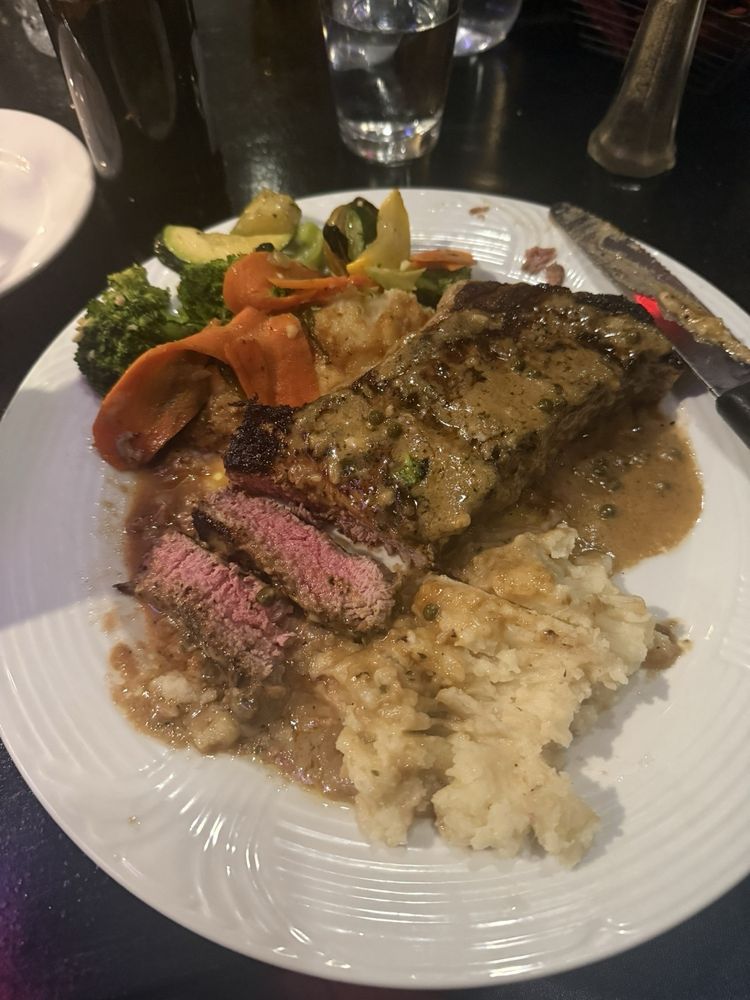
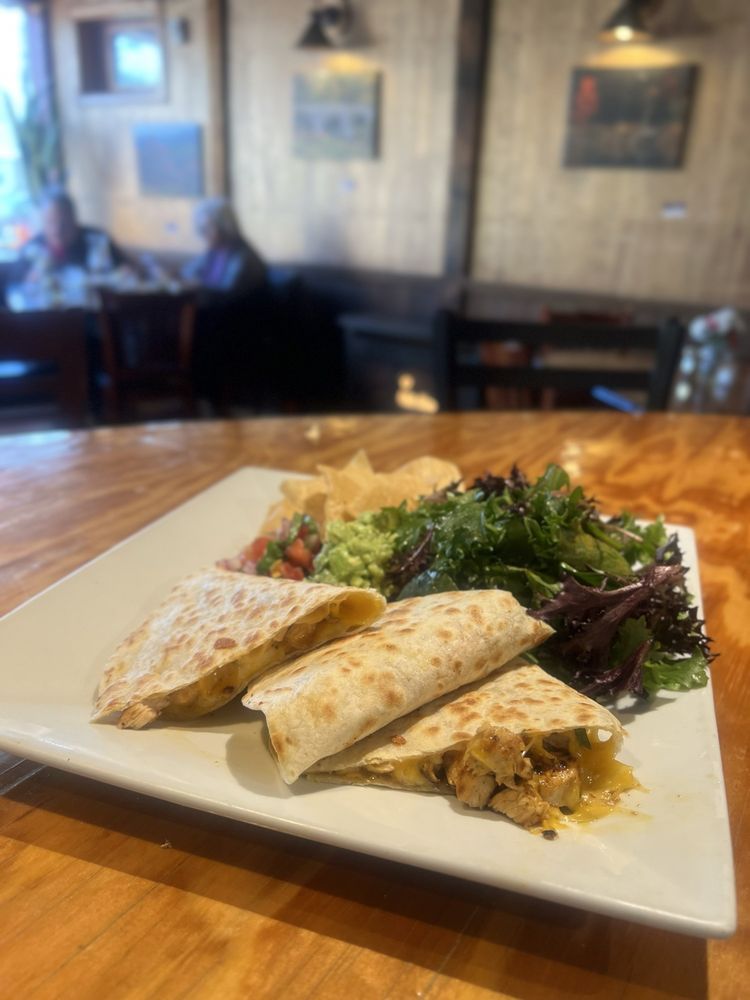
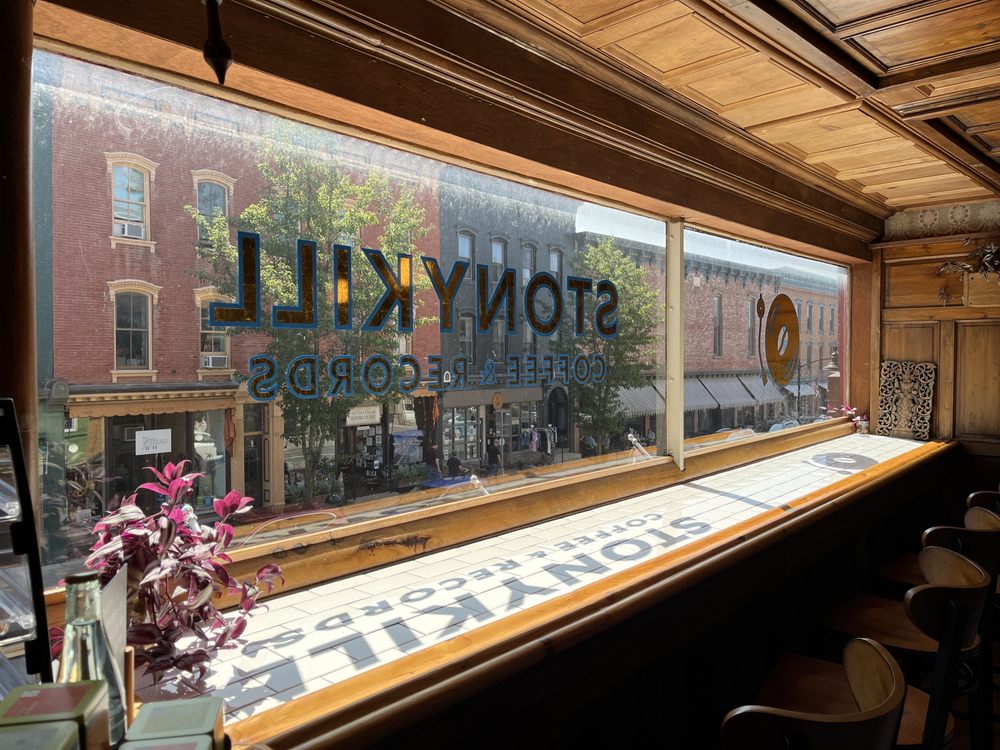
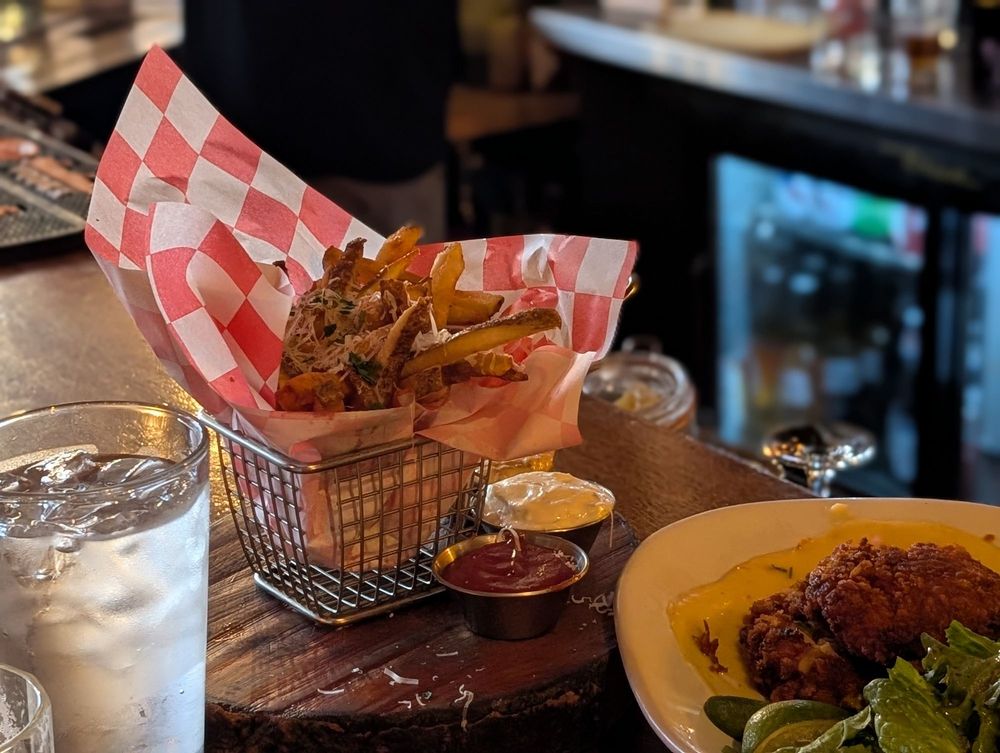
Chatham's dining scene punches well above its size. The most anticipated opening in years is Four Corners, debuting in Spring 2026 in the three-story historic building formerly occupied by Blue Plate. Led by Michelin-starred chef David Israelow, it promises a hyper-local rotating menu and a basement bar with a speakeasy atmosphere. Bimi's Canteen and Cheese Shop is a village institution — the Canteen offers refined global flavors and a serious bar program, while the adjacent cheese shop stocks world-class provisions and artisanal sandwiches. The People's Pub rounds out the main options as the "living room" of the village: elevated pub fare, local drafts on tap, and a wood-burning stove that earns its place on cold nights.
For drinks beyond the pub, Chatham Brewing on Main Street is the anchor of the weekend social scene — 14-plus taps, a permanent food truck, and regular live music. A short drive from the village, The Greenhouse Cidery at the Chatham Berry Farm operates seasonally and offers local ciders in an outdoor garden setting worth seeking out in warmer months.
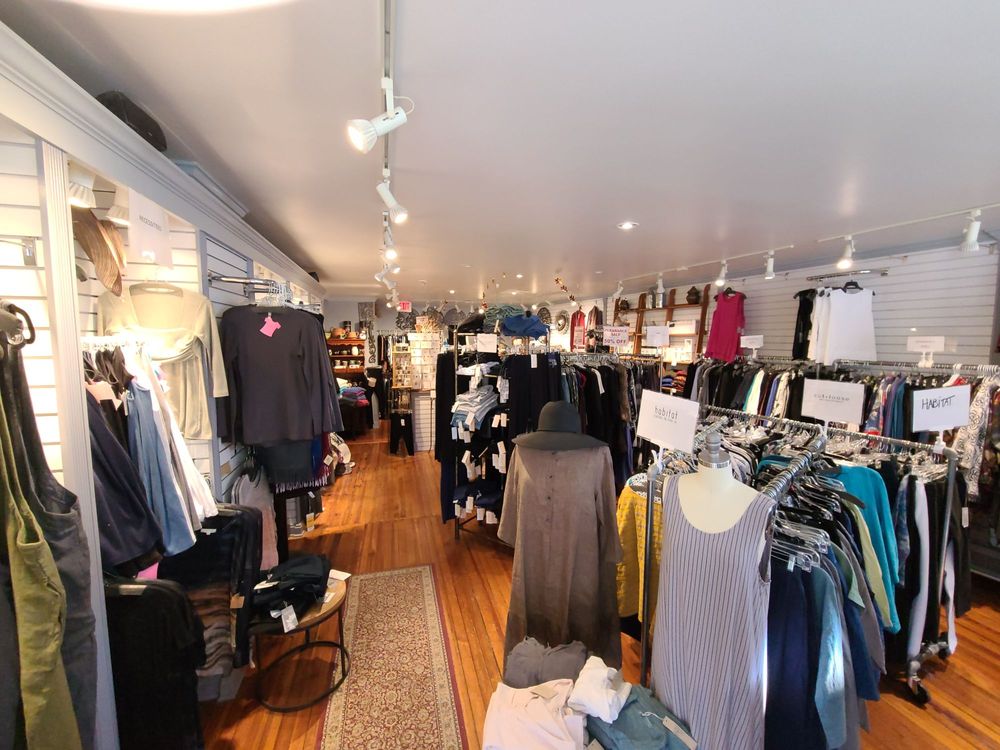
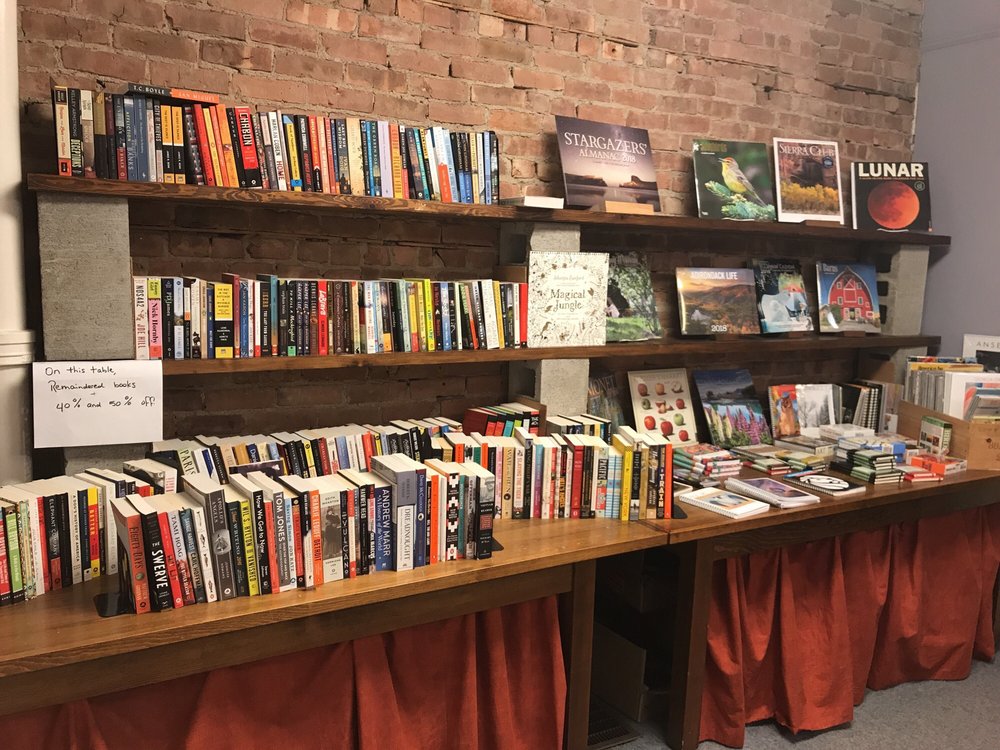
Chatham's retail is entirely Main Street-driven, and that's by design. The Chatham Bookstore is a decades-old independent shop that anchors the literary identity of the village. American Pie functions as a contemporary general store built around the upstate aesthetic — high-end kitchenware, apothecary goods, and unique gifts. Boxwood Linen specializes in locally crafted textiles and home goods that have become synonymous with Hudson Valley interior style.
For antique hunters, Chatham remains a legitimate destination. Shops like 1811 Antiques and Beaver Mill Antiques stock a wide range — from primitive farm tools to mid-century modern furniture — and draw serious collectors from across the region.
For groceries, the Chatham Real Food Market Co-op on Church Street is community-owned and the best source for organic produce, local meats, and quality bulk goods. The Chatham Berry Farm on Route 203 functions year-round as a specialty grocer and garden center. A full-service Price Chopper on the village edge handles large-scale shopping needs. During summer and early fall, the Farmers and Makers Market at Crellin Park runs on Fridays and is as much a social event as a shopping trip.
Crellin Community Park is the center of outdoor life for village residents — a swimming pond with a sandy beach, concrete skate park, tennis and basketball courts, a pump track, and community garden plots. It also hosts youth soccer and baseball leagues throughout the season.
Ooms Public Conservation Area, just outside the village, is the standout natural destination. Its approximately three miles of mowed trails circle Sutherland Pond with panoramic views toward the Catskills, and it's a premier spot for birding, catch-and-release fishing, and non-motorized boating. Borden's Pond Conservation Area is walkable from the village and offers quieter trail options through meadows and woodland. Hand Hollow State Forest, a short drive away, adds 518 acres of forest with Spiegelberg Lake, an accessible fishing pier, and trails suited for cross-country skiing and snowshoeing in winter.
For golfers, Winding Brook Country Club is a semi-private 18-hole course known for its elevation changes and scenic layout that reflects the county's rolling terrain. The Old Chatham Tennis Club serves the active tennis and pickleball community. The nearby Harlem Valley Rail Trail is expanding, with paved multi-use paths through wetlands and forest accessible from neighboring communities.
Chatham's cultural identity is built on a genuine tension between two worlds that somehow coexist without conflict. On one hand, this is agricultural country — the Columbia County Fair every Labor Day weekend draws enormous crowds for livestock shows, demolition derbies, and carnival culture that has nothing to do with upstate chic. The Old Chatham Hunt Club, founded in 1928, still runs traditional foxhunts (scent-based, not kills) and beagling events that reflect the "gentleman farmer" heritage of the Old Chatham hamlet specifically.
On the other hand, FilmColumbia every October transforms the Crandell Theatre into a serious film festival where Oscar-winning directors and actors who maintain quiet retreats in the local hills mix with longtime residents. PS21, located a few miles from the village, brings world-class contemporary dance, theater, and jazz to an open-air pavilion that would feel at home in any major city.
What threads it together is the Crandell Theatre itself — a 1926 movie house that recently completed renovations and hosts everything from first-run films to "The Dark" winter performance festival in February. It's one of the oldest continuously operating movie theaters in New York State and functions as a genuine community institution.
Community events like SummerFest in July and WinterFest in December keep Main Street alive across seasons. The culture here values proximity — to neighbors, to local businesses, to the land. Buying local isn't marketing language in Chatham; it's a default behavior.
The Chatham Central School District serves approximately 900 students across three schools. Mary E. Dardess Elementary covers Pre-K through fifth grade and is well-regarded for its community-oriented environment and early literacy programming. Chatham Middle School serves grades six through eight with a focus on transitional skills and strong music and arts electives. Chatham High School posts a graduation rate of approximately 89% and offers Project Lead the Way (PLTW) engineering and biomedical science programs that carry college credit — a meaningful differentiator for a school of its size.
Private options within a reasonable drive include Mountain Road School in Ghent (about 10 minutes away), which follows a Waldorf-inspired progressive philosophy, and The Albany Academy, a rigorous Pre-K through 12 independent prep school about 35 minutes away in Albany.
For higher education, Columbia-Greene Community College (SUNY) is located in Hudson, about 20 minutes south, with a new 2026 LPN nursing program among its vocational offerings. The University at Albany (SUNY) and Rensselaer Polytechnic Institute (RPI) are both within 40 minutes, providing access to major research universities for residents pursuing graduate work or professional development.
Chatham is car-dependent outside the village, but it has better regional connectivity than most comparable communities its size. The Taconic State Parkway begins just south of the village and is the primary corridor for New York City-bound commuters — a scenic, truck-free route that reaches Westchester in under two hours and Midtown Manhattan in roughly 2.5 hours. Interstate 90 (the NYS Thruway Berkshire Spur) is about 10 minutes north, connecting east to the Berkshires and west to Albany in 30 to 35 minutes.
Amtrak access runs through Hudson station, just 15 to 20 minutes away. The Empire Service and Ethan Allen Express run to Moynihan Train Hall at Penn Station in approximately two hours — a workable option for those doing two or three city days per week. Albany-Rensselaer Amtrak station, about 30 minutes north, serves as a broader hub for northeast rail connections.
For air travel, Albany International Airport is 45 minutes away and has expanded its direct flight network in 2026 to include Charlotte, Orlando, and Chicago, among others. Within the village itself, the walkable Main Street corridor makes a car unnecessary for daily errands, dining, and shopping — an underrated quality-of-life feature for village residents.
Main Street is the obvious center — the stretch of Victorian-era brick storefronts between Church Street and Payn Avenue defines the village's identity and puts residents within walking distance of the Crandell, the bookstore, Chatham Brewing, and the co-op. Homes on and immediately off Main Street tend to be the most architecturally significant and most frequently sought by buyers who want to participate in village life without getting in a car.
Payn Avenue and Hudson Avenue are strong residential streets offering a mix of well-preserved historic homes on generous lots by village standards. They're quieter than Main but still within easy walking distance of the commercial core.
In the broader town, Old Chatham Road and the area surrounding Old Chatham itself is the prestige rural address — gentleman farms, equestrian properties, and estate-scale homes in the $1M-plus range. County Route 13 and Route 203 corridors connect hamlets and offer the pastoral landscape that defines the town's rural character, with properties ranging from converted farmhouses to custom builds.
People love Chatham because it doesn't ask you to choose between sophistication and authenticity. You can have the Michelin-starred chef, the world-class film festival, and the Waldorf school — and also have the county fair demolition derby, the hunt club, and the neighbors who've farmed the same land for four generations. That combination is genuinely rare.
The location is hard to beat for what it offers. Two and a half hours from Manhattan but insulated from the frantic real estate speculation that's overwhelmed closer markets. Close enough to Albany for a day of professional appointments and back by dinner. Hudson is 20 minutes away for days when Chatham's quieter pace isn't enough.
What keeps people here, though, is simpler than any list of amenities. Main Street still functions as a real Main Street. The Crandell still shows movies. The farmers market still happens on Fridays. The schools still know the kids by name. For a growing segment of buyers — remote professionals, families leaving suburbs, retirees looking for intellectual and cultural engagement without urban density — Chatham offers something increasingly difficult to find: a real community that hasn't been commodified.

There's plenty to do around Chatham, including shopping, dining, nightlife, parks, and more. Data provided by Walk Score and Yelp.
Explore popular things to do in the area, including Del’s Jamaican cuisine, Lagonias Bistro, and Yiannis Restaurant.
| Name | Category | Distance | Reviews |
Ratings by
Yelp
|
|---|---|---|---|---|
| Dining | 0 miles | 0 reviews | 0/5 stars | |
| Dining | 0.04 miles | 26 reviews | 4.1/5 stars | |
| Dining · $$ | 0.07 miles | 77 reviews | 3.4/5 stars | |
| Dining · $$ | 0.08 miles | 77 reviews | 4/5 stars | |
| Dining · $$ | 0.08 miles | 38 reviews | 4.2/5 stars | |
| Dining | 0.08 miles | 11 reviews | 4.9/5 stars | |
| Dining | 0.11 miles | 5 reviews | 5/5 stars | |
| Dining · $$ | 0.11 miles | 119 reviews | 4.2/5 stars | |
| Shopping | 0.03 miles | 0 reviews | 0/5 stars | |
| Shopping | 0.03 miles | 1 review | 5/5 stars | |
| Shopping | 0.05 miles | 7 reviews | 5/5 stars | |
| Shopping | 0.06 miles | 0 reviews | 0/5 stars | |
| Shopping | 0.08 miles | 2 reviews | 5/5 stars | |
| Shopping | 0.11 miles | 7 reviews | 4.6/5 stars | |
| Shopping | 0.11 miles | 1 review | 5/5 stars | |
| Active | 0.05 miles | 0 reviews | 0/5 stars | |
| Active | 0.06 miles | 0 reviews | 0/5 stars | |
| Active | 0.07 miles | 0 reviews | 0/5 stars | |
| Active | 0.09 miles | 1 review | 5/5 stars | |
| Active | 0.1 miles | 0 reviews | 0/5 stars | |
| Beauty | 0.06 miles | 1 review | 5/5 stars | |
| Beauty | 0.06 miles | 0 reviews | 0/5 stars | |
| Beauty | 0.07 miles | 2 reviews | 3/5 stars | |
| Beauty | 0.1 miles | 0 reviews | 0/5 stars | |
|
|
||||
|
|
||||
|
|
||||
|
|
||||
|
|
||||
|
|
Chatham has 783 households, with an average household size of 2.03. Data provided by the U.S. Census Bureau. Here’s what the people living in Chatham do for work — and how long it takes them to get there. Data provided by the U.S. Census Bureau. 1,594 people call Chatham home. The population density is 1,289 and the largest age group is Data provided by the U.S. Census Bureau.
Total Population
Population Density Population Density This is the number of people per square mile in a neighborhood.
Median Age
Men vs Women
Population by Age Group
0-9 Years
10-17 Years
18-24 Years
25-64 Years
65-74 Years
75+ Years
Education Level
Total Households
Average Household Size
Average individual Income
Households with Children
With Children:
Without Children:
Marital Status
Blue vs White Collar Workers
Blue Collar:
White Collar: