The Hudson Valley real estate market has shifted. The frantic, offer-waiving, sight-unseen buying spree of the post-pandemic years has settled into something more deliberate — and for sellers, that distinction matters more than ever.
Prices are still climbing. The median single-family home now sits at $495,000, up 6% year-over-year. But homes are averaging 88 days on market, buyers are taking their time, and the ones walking through your door are sharper than they've ever been. Many relocated here from New York City. Most earn $60,000 to $100,000 more annually than the people they replaced. They know what they want, and they'll walk if the price isn't right.
Selling well in 2026 means understanding exactly who that buyer is — and preparing accordingly.
Spend Your Money Where It Counts
Not every upgrade pays off. In the Hudson Valley, where labor costs run above the national average, the projects that win are the ones that improve what buyers see first and worry about most.
Here's what the numbers look like for the region in 2026:
| Project | Estimated ROI |
|---|---|
| Garage Door Replacement | 110% – 130% |
| Stone Veneer (Exterior) | 105% – 115% |
| Steel Entry Door | 95% |
| Minor Kitchen Refresh | 90% – 100% |
| Whole-House Generator | 85% – 95% |
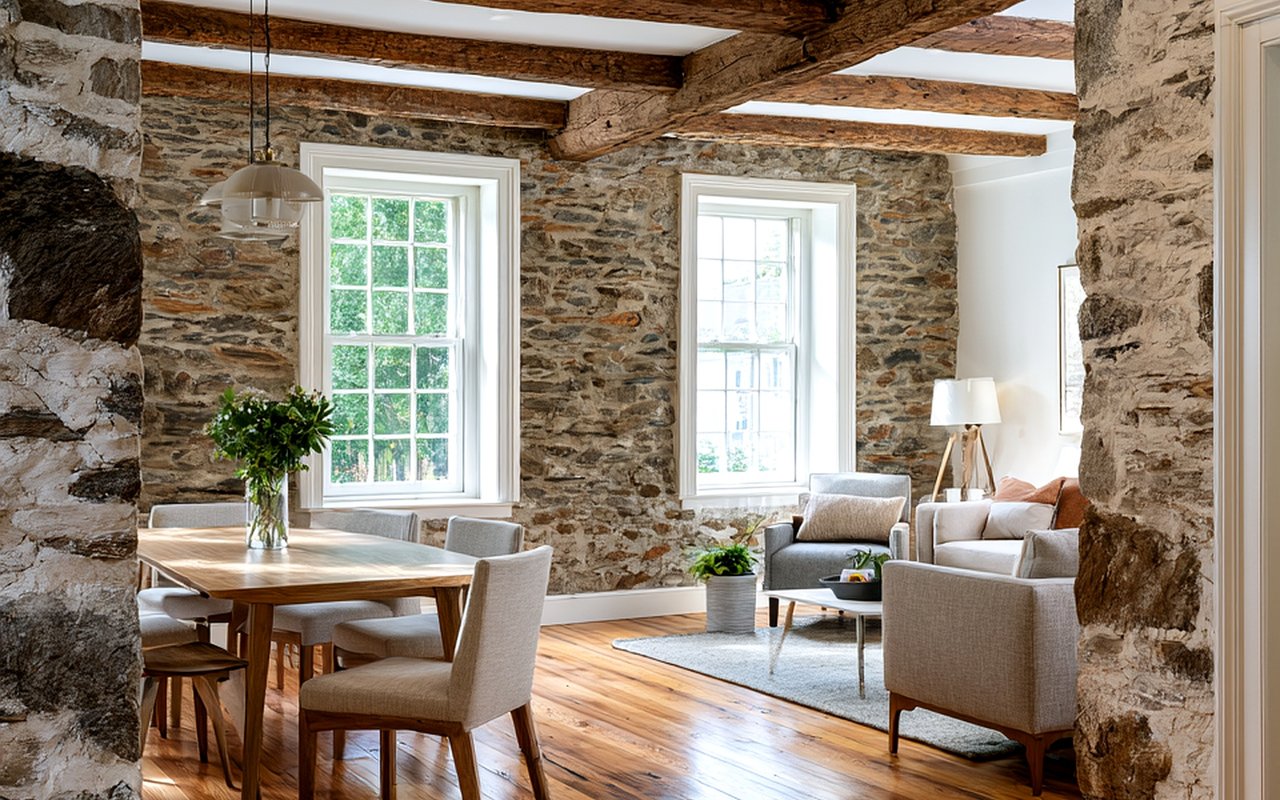
A few things worth noting: the Hudson Valley buyer is not looking for a gray-wash LVP flip. They want wide-plank floors, exposed beams, and stone counters — authentic materials that match the region's character. "Old outside, fiber-optic inside" is the gold standard. A home that has 19th-century charm and modern infrastructure will consistently outperform one that has been over-renovated with cheap finishes.
The whole-house generator deserves special attention. In a region defined by harsh winters and aging power infrastructure, this is one of the few upgrades that buyers notice immediately and factor directly into their offer.
Two things that will shrink your buyer pool faster than anything else: poor internet connectivity and "flippery" finishes. In parts of Ulster and Sullivan, the absence of high-speed fiber or cable eliminates up to 60% of potential buyers outright. Remote work is not a trend here — it's the reason most of these buyers moved in the first place.
Price It Right the First Time
In this market, you have a window of 14 to 21 days. That's it.
Homes priced at market value typically go to contract within 38 to 45 days and close at 99% to 101% of asking price. Homes priced just 5% to 10% above market tend to sit for 120 days or more — and once a listing crosses the 60-day mark, buyers start to assume something is wrong. The resulting price cut often lands lower than where the home would have sold had it been priced correctly from the start.
Your pricing strategy should start with a granular look at your submarket. Price per square foot varies significantly across the region:
| Submarket | Avg. $/Sq. Ft. |
|---|---|
| Cold Spring | $525 – $610 |
| Rhinebeck | $472 – $530 |
| Hudson (City) | $410 – $490 |
| Kingston | $260 – $285 |
| Catskill | $220 – $245 |
Timing also matters. Spring (March through June) brings the highest buyer volume and the most competition among sellers. Fall — particularly September and October — offers a focused window of buyers trying to close before winter. If you're listing in winter, inventory drops 30% to 40%, which means less competition and a buyer pool made up largely of people who have a real reason to move.
Market for the Buyer Who Hasn't Visited Yet
Roughly 98% of Hudson Valley buyers begin their search online. For out-of-market buyers — who make up 45% to 60% of active purchasers depending on the county — the digital listing is often the only showing that matters before they book a flight or a drive up from Brooklyn.
That means your photos, video, and listing description are doing more work than your open house.
High-production, vlog-style video tours generate 40% more saves than static listings on platforms like Instagram and TikTok, which have become primary discovery channels for the Kingston, Hudson, and Catskill submarkets. Zillow's "Preview" feature — which surfaces homes before they hit the MLS — has also become a critical early-exposure tool in 2026.
The NYC buyer isn't just shopping for square footage. They're buying a lifestyle. Your listing should show the trailhead two miles away, the walkable downtown, and yes — the internet speed test. That last one is not a joke.
Know Your Position at the Negotiating Table
The market has moved from a steep seller's advantage to something more balanced — and the difference comes down to one word: time.
When a home is fresh to market and move-in ready, sellers still hold the cards. Multiple offers still happen. But once a listing crosses 45 days, the dynamic shifts. Buyers in that position commonly negotiate seller concessions covering 2% to 3% of closing costs, and sellers are now far more willing to address repairs — a replaced roof, updated electrical — to keep a deal from falling through.
The most common contingencies you'll encounter in 2026:
- General inspection, plus specific tests for radon, water quality (wells), and septic function
- Financing contingency, typically with a 30 to 45-day mortgage commitment window
- Appraisal gap coverage in competitive submarkets
- Sale of current home contingencies, which have returned as NYC-area buyers try to coordinate their moves
New York is an attorney state, which adds time to every transaction. From accepted offer to closing, most financed deals take 45 to 60 days. Cash deals can close in as little as 21 days. The full arc — list to move-out — typically spans three to four months.
A clean, turnkey home listed at the right price in a low-inventory pocket still sells fast and close to asking. A home with even minor friction — dated HVAC, aging roof, high price — gives the buyer real leverage, in ways that were nearly unthinkable two years ago.
Work with People Who Know This Market
TKG Real Estate has been in the Hudson Valley since 1995. Independently owned, with four offices across the region — Hudson, Ghent, Kingston, and Great Barrington — the team works across both sides of the market and across every price point.
The difference between a brokerage that knows this region and one that doesn't shows up in the details: which submarket to comp against, when to list relative to the season, how to price a historic home with a new generator and fiber internet. Those calls are harder than they look, and they're the ones that determine whether you close in 38 days or 120.
If you're thinking about selling, connect with the TKG team or call 413-329-1162 to talk through what your home is worth in today's market.