When you walk into a room, the lighting is often the first thing your mind responds to, even if you don’t consciously notice it. A subtle shift in brightness, color, or direction can entirely reshape how you feel in a space.
You might crave a cozier atmosphere, a more uplifting environment, or a room that feels fuller and more dynamic. Lighting is one of the most powerful tools available to you when you want to breathe new life into where you live, as it influences everything from your mood to how spacious a room feels.
When you understand how to layer light, choose the right bulbs, and use illumination as a design element rather than an afterthought, you gain more control over your home’s ambiance.
Understanding the Impact of Light
The light in your surroundings can influence how you feel throughout the day, and being aware of this helps you make smarter decisions as you plan your space. Warm, soft tones create a calming atmosphere that feels relaxed and soothing after a long day. You might find that these tones encourage you to slow down and enjoy more restful moments.
On the other hand, brighter and cooler light can increase your energy and bring more clarity to your mind. This is especially helpful when you want to stay alert or focus on tasks that require attention.
You may not always think of lighting as an emotional tool, but it becomes extremely powerful once you begin experimenting. For example, shifting a reading corner from harsh overhead light to a focused table lamp immediately changes the way your mind responds to the room. Instead of feeling overstimulated, you’re drawn into a more intentional setting that supports concentration. Similarly, when you brighten a living room with layered illumination, you often feel more engaged and uplifted. The key is being aware of how light temperature, intensity, and placement influence your inner rhythm.
As you experiment with different lighting styles, start observing how your reactions shift. This awareness gives you the insight to tailor each room with purpose. Whether you want to feel inspired, cheerful, active, grounded, or at ease, you can modify your lighting choices to reflect your desired mood. Light is one of the rare design elements that directly interacts with your senses; when you learn to harness that interaction, your living space becomes far more personalized and fulfilling.
On the other hand, brighter and cooler light can increase your energy and bring more clarity to your mind. This is especially helpful when you want to stay alert or focus on tasks that require attention.
You may not always think of lighting as an emotional tool, but it becomes extremely powerful once you begin experimenting. For example, shifting a reading corner from harsh overhead light to a focused table lamp immediately changes the way your mind responds to the room. Instead of feeling overstimulated, you’re drawn into a more intentional setting that supports concentration. Similarly, when you brighten a living room with layered illumination, you often feel more engaged and uplifted. The key is being aware of how light temperature, intensity, and placement influence your inner rhythm.
As you experiment with different lighting styles, start observing how your reactions shift. This awareness gives you the insight to tailor each room with purpose. Whether you want to feel inspired, cheerful, active, grounded, or at ease, you can modify your lighting choices to reflect your desired mood. Light is one of the rare design elements that directly interacts with your senses; when you learn to harness that interaction, your living space becomes far more personalized and fulfilling.
Creating a Balanced Lighting Plan
Instead of relying on a single light source, layering creates depth that feels richer and more dynamic. Most designers recommend three layers: ambient, task, and accent.
Ambient lighting offers general brightness that fills a room with an even glow. Task lighting focuses on specific activities like reading, cooking, or working. Accent lighting accentuates the elements you want to draw attention to, such as artwork, bookshelves, or architectural features. By incorporating all three, you shape an environment that feels complete from corner to corner.
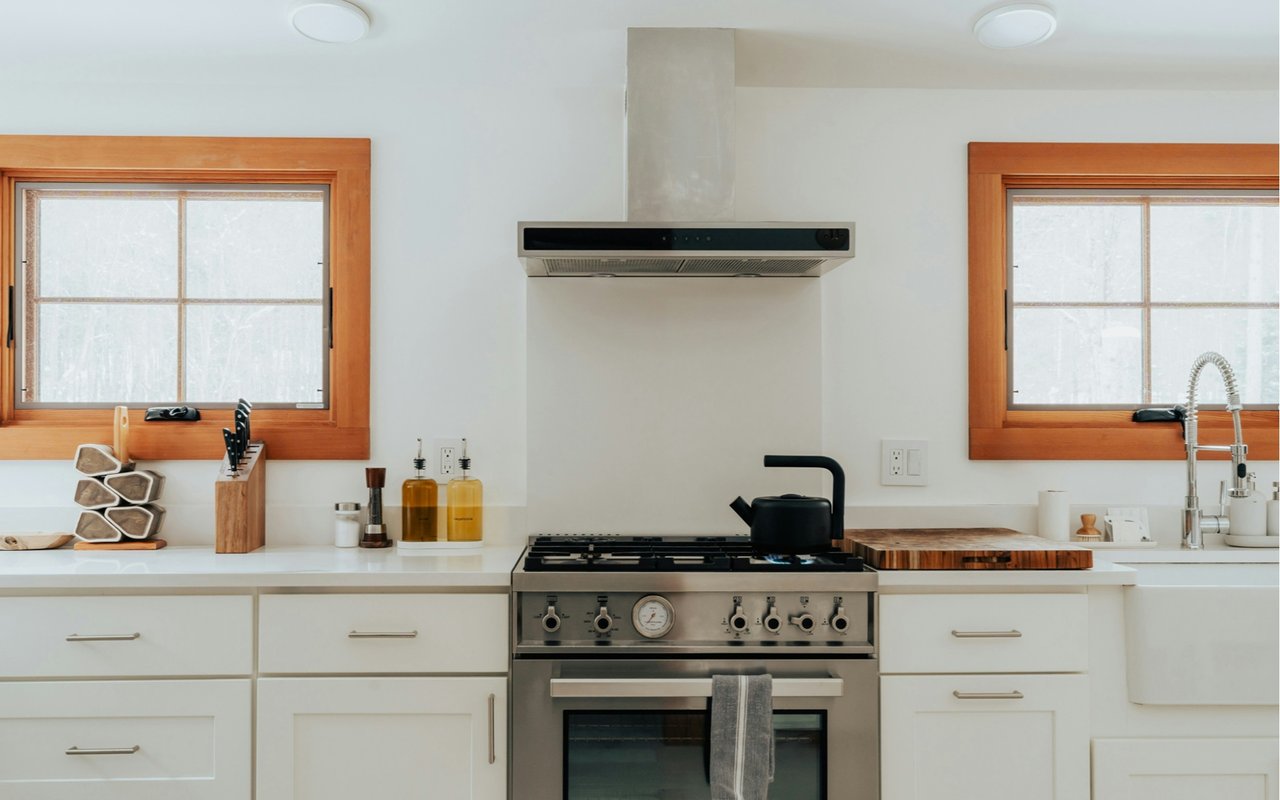
When you approach your lighting plan, think about how each room supports your daily routine. For instance, your living room may need softer ambient illumination paired with focused task lighting near seating areas where you read or work. You might also want accent lights to emphasize plants, sculptures, or decorative pieces. On the other hand, a kitchen usually benefits from brighter ambient light so that you can move around comfortably, combined with task lighting under the cabinets to illuminate the counters. Every layer adds clarity and dimension.
One helpful strategy is to evaluate where shadows naturally fall in each room. Shadows create contrast, and too many of them can disrupt the atmosphere, making the room feel uneven or dim. When you fill those darker pockets with subtle accent lights or soft glows, you create cohesion that feels much more inviting.
The goal is not to make everything overly bright but to craft a balance so that your eyes can travel comfortably through the room. When your lighting layers work together, the environment feels harmonious and thoughtfully designed.
Ambient lighting offers general brightness that fills a room with an even glow. Task lighting focuses on specific activities like reading, cooking, or working. Accent lighting accentuates the elements you want to draw attention to, such as artwork, bookshelves, or architectural features. By incorporating all three, you shape an environment that feels complete from corner to corner.
When you approach your lighting plan, think about how each room supports your daily routine. For instance, your living room may need softer ambient illumination paired with focused task lighting near seating areas where you read or work. You might also want accent lights to emphasize plants, sculptures, or decorative pieces. On the other hand, a kitchen usually benefits from brighter ambient light so that you can move around comfortably, combined with task lighting under the cabinets to illuminate the counters. Every layer adds clarity and dimension.
One helpful strategy is to evaluate where shadows naturally fall in each room. Shadows create contrast, and too many of them can disrupt the atmosphere, making the room feel uneven or dim. When you fill those darker pockets with subtle accent lights or soft glows, you create cohesion that feels much more inviting.
The goal is not to make everything overly bright but to craft a balance so that your eyes can travel comfortably through the room. When your lighting layers work together, the environment feels harmonious and thoughtfully designed.
Mastering the Art of Layered Lighting
Layered lighting creates visual interest and makes rooms feel more dimensional. When you rely solely on a central overhead fixture, the room often feels flat because there’s no contrast or variation in brightness. By strategically combining multiple light sources, you create a more lively atmosphere that adapts to your needs. This flexibility is especially valuable in multi-use spaces where you may work during the day, relax in the evening, and host guests on weekends. Each of these experiences benefits from layers you can adjust as needed.
To build effective layers, start by selecting ambient lighting that provides a comfortable baseline. This could be a ceiling fixture, recessed lights, or even a large floor lamp. Once you establish this foundation, look for task lighting to support activities. Position lamps near seating areas, add focused illumination above counters, or include directed fixtures near desks. Finally, introduce accent lights that draw attention to your most meaningful décor elements. These accents add personality and help visually anchor the room, giving it an impressive presence.
The key to mastering layers is embracing variety. Mix heights, directions, and intensities so that each light serves a unique purpose. You don’t need to add too many pieces; even a few intentional sources create a more vibrant and expressive environment.
To build effective layers, start by selecting ambient lighting that provides a comfortable baseline. This could be a ceiling fixture, recessed lights, or even a large floor lamp. Once you establish this foundation, look for task lighting to support activities. Position lamps near seating areas, add focused illumination above counters, or include directed fixtures near desks. Finally, introduce accent lights that draw attention to your most meaningful décor elements. These accents add personality and help visually anchor the room, giving it an impressive presence.
The key to mastering layers is embracing variety. Mix heights, directions, and intensities so that each light serves a unique purpose. You don’t need to add too many pieces; even a few intentional sources create a more vibrant and expressive environment.
Enhancing Small Spaces with Clever Illumination
Lighting can completely transform compact rooms, making them feel more open and inviting. When you rely only on a single source, small areas often appear tighter and more enclosed. However, by adding multiple points of illumination, you encourage the eye to move throughout the room, creating the sense of a larger footprint.
For example, wall sconces can free up surface space while brightening corners, and tall floor lamps draw the eye upward, giving the impression of higher ceilings.
Mirrors can also work wonders when combined with well-placed lighting. If you position a mirror opposite a window or lamp, it reflects the light back into the room, doubling its impact. This technique enhances brightness and makes the room feel more expansive.
Pairing soft ambient light with a few subtle accents is often enough to reduce shadows that make small spaces feel cramped. When shadows recede, the room instantly feels more open and welcoming.
Light-colored lampshades, translucent fixtures, and slim-profile lighting designs keep compact rooms from feeling cluttered. Avoid heavy or overly elaborate fixtures that draw attention away from the room itself. Instead, choose sleek, minimal pieces that complement the space without stealing focus.
For example, wall sconces can free up surface space while brightening corners, and tall floor lamps draw the eye upward, giving the impression of higher ceilings.
Mirrors can also work wonders when combined with well-placed lighting. If you position a mirror opposite a window or lamp, it reflects the light back into the room, doubling its impact. This technique enhances brightness and makes the room feel more expansive.
Pairing soft ambient light with a few subtle accents is often enough to reduce shadows that make small spaces feel cramped. When shadows recede, the room instantly feels more open and welcoming.
Light-colored lampshades, translucent fixtures, and slim-profile lighting designs keep compact rooms from feeling cluttered. Avoid heavy or overly elaborate fixtures that draw attention away from the room itself. Instead, choose sleek, minimal pieces that complement the space without stealing focus.
A Warm Atmosphere
If your goal is to create a warm, inviting environment, focus on lighting that encourages relaxation and connection. Warm light tones are ideal for this, as they create a gentle glow that feels comforting.
Soft table lamps, shaded floor lamps, and dimmable fixtures offer simple ways to adjust the atmosphere based on the time of day. When you layer warm light at multiple heights, you create a balanced glow that feels rich and enveloping without ever becoming harsh.
Candles can also enhance warmth by introducing natural flicker and softness. Even LED candles can bring a soothing glow that complements your primary light sources. Placing them near reflective surfaces like mirrors, glass décor, or metal trays multiplies their effect and adds sparkle.
You can also experiment with string lights or lightly diffused lanterns for a whimsical touch that feels cozy and inviting. These additions help soften edges and give the room a gentle, harmonious feel. Try placing warmer lights near seating areas or creating clustered arrangements of lamps at varying heights.
Soft table lamps, shaded floor lamps, and dimmable fixtures offer simple ways to adjust the atmosphere based on the time of day. When you layer warm light at multiple heights, you create a balanced glow that feels rich and enveloping without ever becoming harsh.
Candles can also enhance warmth by introducing natural flicker and softness. Even LED candles can bring a soothing glow that complements your primary light sources. Placing them near reflective surfaces like mirrors, glass décor, or metal trays multiplies their effect and adds sparkle.
You can also experiment with string lights or lightly diffused lanterns for a whimsical touch that feels cozy and inviting. These additions help soften edges and give the room a gentle, harmonious feel. Try placing warmer lights near seating areas or creating clustered arrangements of lamps at varying heights.
Bringing Natural Light Into the Conversation
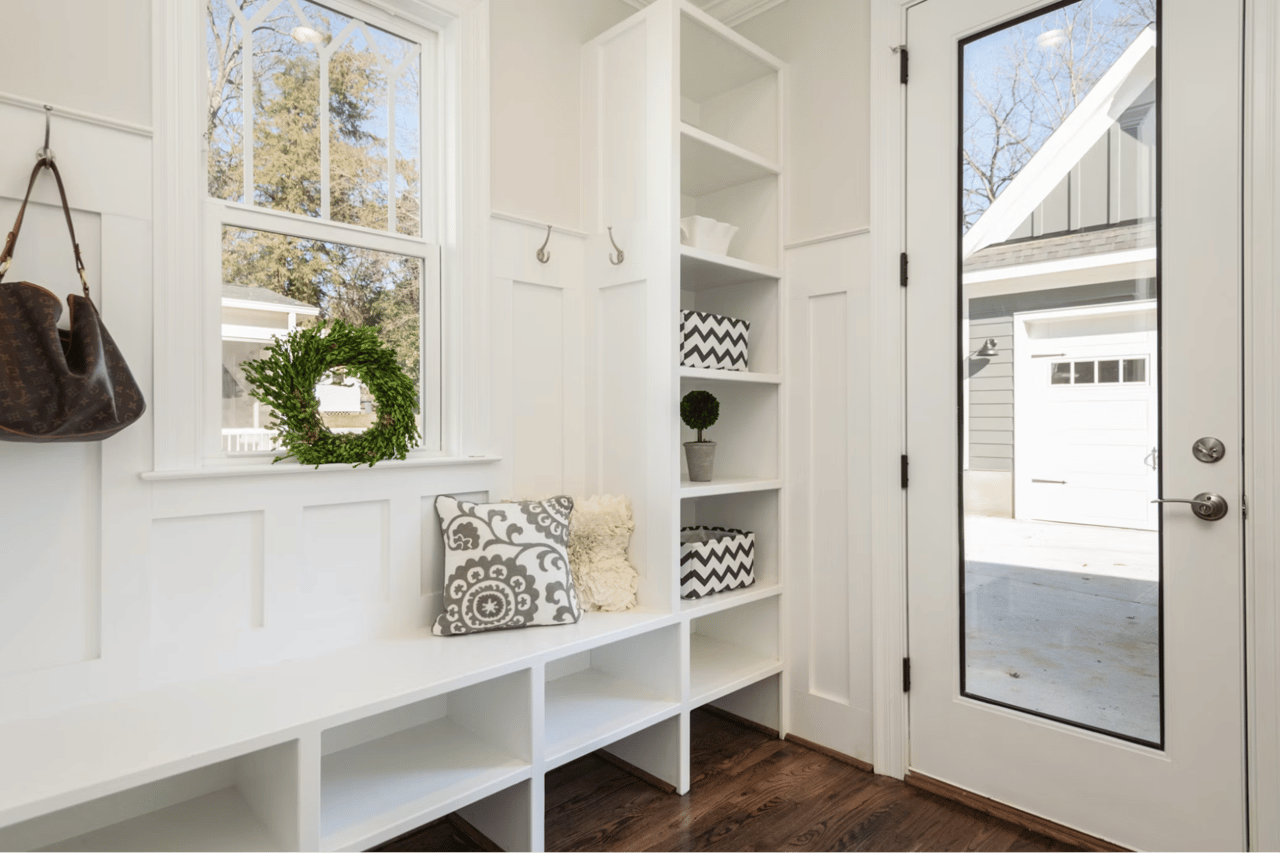
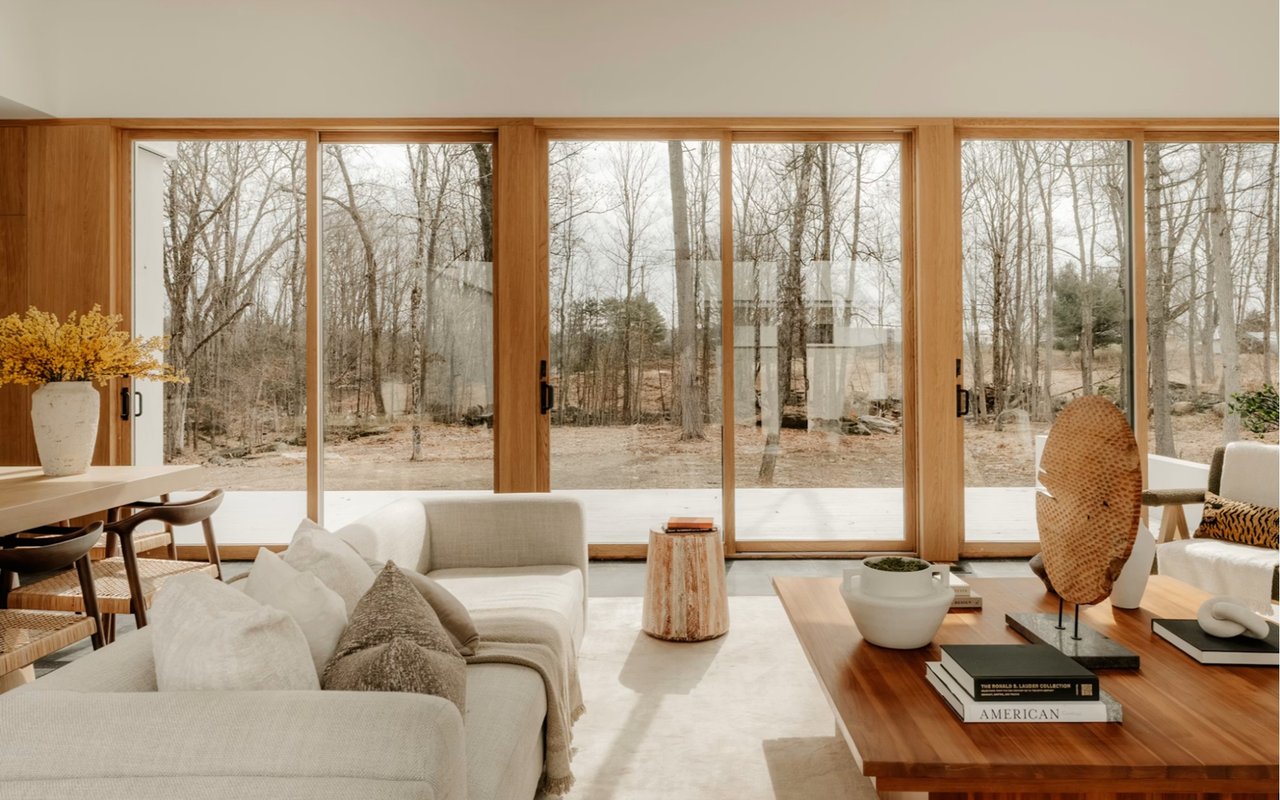
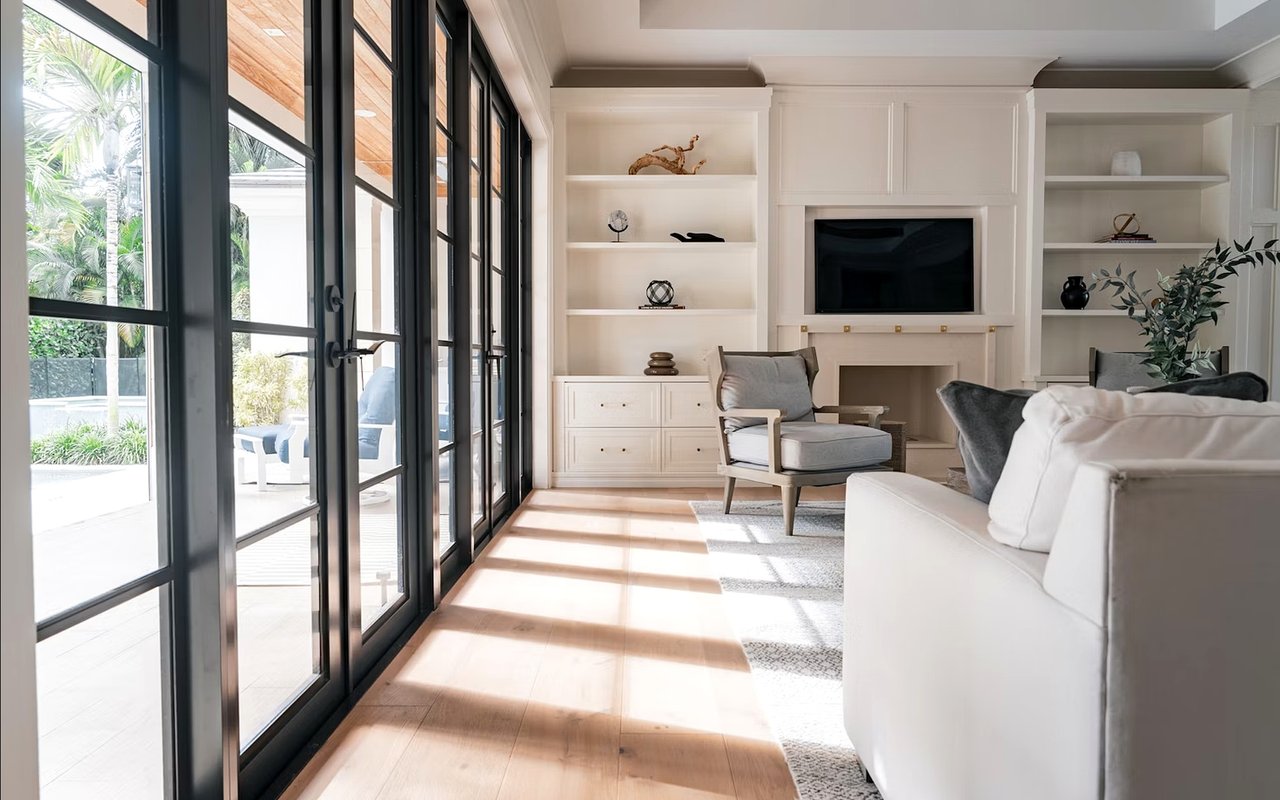
Natural light is one of the most desirable elements in any living space, and learning how to enhance it can significantly elevate your environment. When you allow ample daylight into a room, the space immediately feels more open and uplifting.
Start by observing how light enters the room throughout the day. This gives you insight into where to position seating, mirrors, or reflective surfaces to maximize brightness without creating glare. Strategic placement allows sunlight to become an active part of your design.
Sheer curtains are excellent for softening daylight without blocking it. They diffuse the brightness into a more comfortable glow that spreads evenly throughout the room. If your windows are large, you can layer sheer curtains with lightweight drapery to maintain brightness while adding elegance. For smaller windows, positioning mirrors directly across from them can amplify the available light and make the room feel more expansive.
You can also showcase natural light by choosing materials that reflect or glow under sunlight. Light-colored walls, glossy finishes, and glass accents all respond beautifully to daylight. By pairing these surfaces with intentional artificial lighting, you create a seamless blend that keeps your home bright during the day and inviting after sunset.
Start by observing how light enters the room throughout the day. This gives you insight into where to position seating, mirrors, or reflective surfaces to maximize brightness without creating glare. Strategic placement allows sunlight to become an active part of your design.
Sheer curtains are excellent for softening daylight without blocking it. They diffuse the brightness into a more comfortable glow that spreads evenly throughout the room. If your windows are large, you can layer sheer curtains with lightweight drapery to maintain brightness while adding elegance. For smaller windows, positioning mirrors directly across from them can amplify the available light and make the room feel more expansive.
You can also showcase natural light by choosing materials that reflect or glow under sunlight. Light-colored walls, glossy finishes, and glass accents all respond beautifully to daylight. By pairing these surfaces with intentional artificial lighting, you create a seamless blend that keeps your home bright during the day and inviting after sunset.
Find a Bright Space Today
Once you begin exploring lighting as a design tool, you open the door to countless possibilities for shaping your environment. You have the power to set the atmosphere, influence your mood, highlight your favorite pieces, and make every corner of your home feel more expressive.
Lighting is one of the most accessible ways to refresh a room without changing the structure. A new lamp here, a warmer bulb there, or a well-placed accent light can completely transform your atmosphere. Lighting gives you the power to redesign your surroundings, one switch at a time.
If you’re ready to find a light-filled home in the Hudson Valley, TKG Real Estate will help you begin your real estate adventure. Reach out today.
Lighting is one of the most accessible ways to refresh a room without changing the structure. A new lamp here, a warmer bulb there, or a well-placed accent light can completely transform your atmosphere. Lighting gives you the power to redesign your surroundings, one switch at a time.
If you’re ready to find a light-filled home in the Hudson Valley, TKG Real Estate will help you begin your real estate adventure. Reach out today.